When it comes to choosing the right fishing line, many anglers find themselves debating between monofilament, fluorocarbon, and braid. Each has its place, but braided fishing line offers a unique set of advantages that can seriously level up your performance on the water. Whether you’re targeting bass in thick cover or chasing saltwater species offshore, understanding what makes braid different can help you get the most out of every cast.
Here are the top five benefits of using braided fishing line — and why so many anglers rely on it as their go-to choice.
1. Unmatched Strength-to-Diameter Ratio
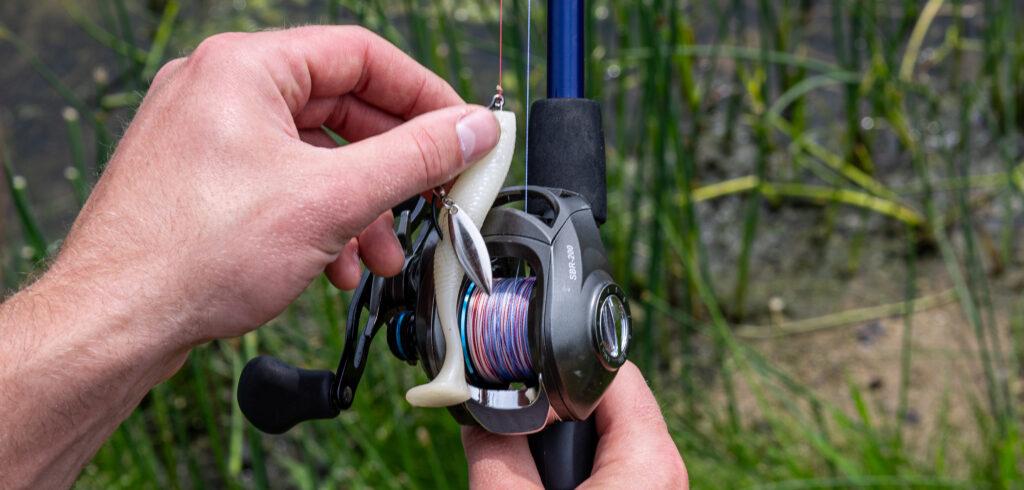
Braided line is incredibly strong for its size. Because it’s made by weaving together multiple strands of synthetic fibers like Spectra or Dyneema, it delivers a higher pound test with a much thinner diameter than mono or fluoro.
That means you can spool more line on your reel without adding bulk — perfect for long runs from big fish or deep-water applications. For example, 20 lb. braid is roughly the same thickness as 6 lb. monofilament.
Why it matters:
- More line capacity on your reel
- Stronger hooksets at longer distances
- Ideal for heavy cover or structure fishing
2. Incredible Sensitivity
Braid has virtually zero stretch, which translates to better sensitivity. Every tick, bump, or subtle bite transmits straight through the line and into your rod. This is especially helpful when finesse fishing, jigging, or detecting light bites in deeper water.
Why it matters:
- Feel bites instantly, even at depth
- Faster reaction time for setting the hook
- Excellent for species with gentle takes, like walleye or crappie
3. Longer Casting Distance
Because of its thin diameter and smooth surface, braided line casts farther with less friction. It glides easily through guides, allowing you to reach more distant targets with precision — whether you’re surf casting, topwater fishing, or working lures across open flats.
Why it matters:
- Effortless long casts
- Better coverage of fishing spots
- Ideal for clear or open-water presentations
4. Exceptional Durability and Lifespan
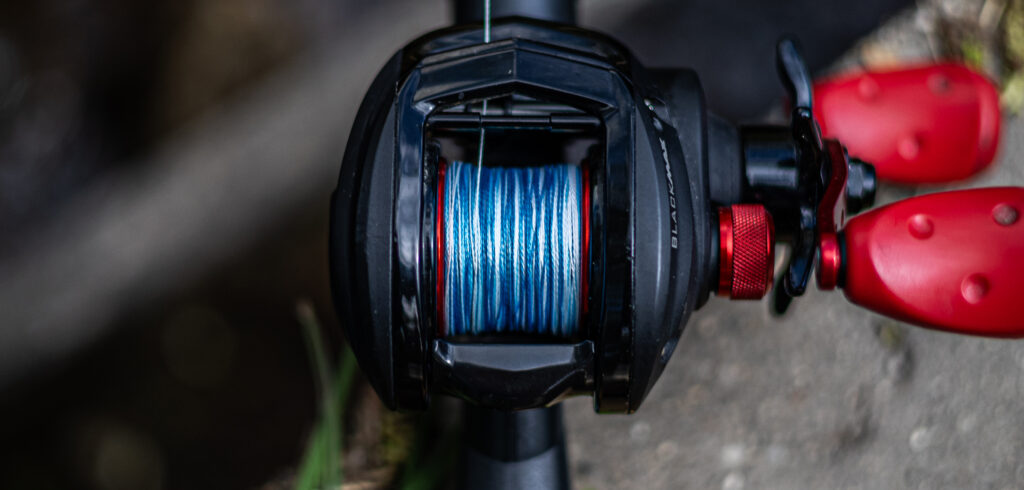
Unlike monofilament, braid doesn’t degrade as quickly from UV rays, temperature changes, or water absorption. It also resists abrasion better when rubbing against rocks, docks, or vegetation. A spool of quality braided line can last multiple seasons, saving time and money in the long run.
Why it matters:
- Fewer re-spools and less maintenance
- Great for heavy cover or rocky environments
- Reliable performance over time
5. Superior Hook-Setting Power
Because braid doesn’t stretch, every ounce of energy you put into a hookset goes directly to the lure. That makes it ideal when fishing with single-hook lures like jigs, Texas rigs, or spinnerbaits — especially in deep water or heavy vegetation where penetration matters.
Why it matters:
- Immediate power transfer on hooksets
- Reduced risk of missed fish
- Better control when pulling fish from cover
🧭 Final Thoughts
Braided fishing line isn’t perfect for every scenario — it’s highly visible in clear water and can sometimes dig into itself on the spool — but when matched with the right technique and leader, it’s one of the most versatile and efficient tools in your tackle box.
For anglers who value strength, sensitivity, and casting distance, braid remains a top choice across both freshwater and saltwater applications.
FAQ: Braided Fishing Line
Q: Can I use braided line on any reel?
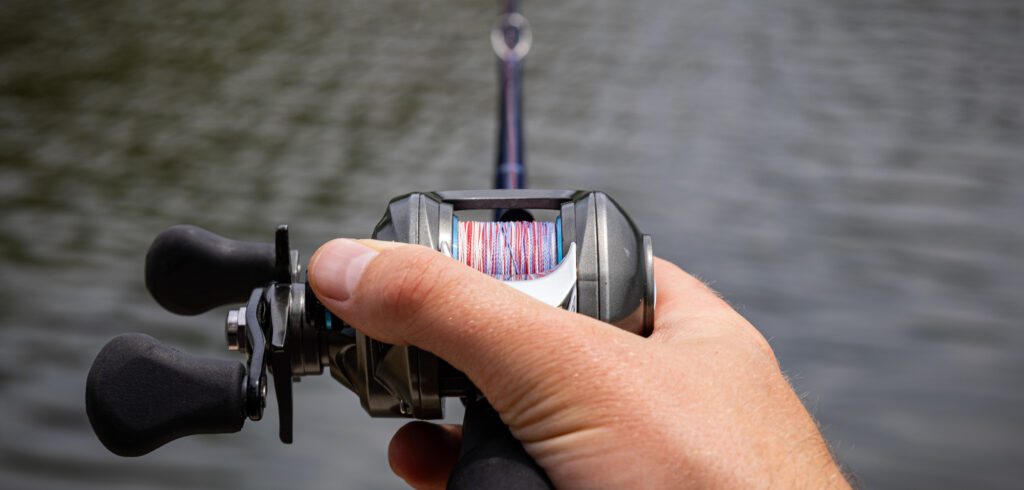
Yes. Braid works great on both spinning and baitcasting reels. Just make sure to add a few wraps of monofilament backing first to prevent the braid from slipping on the spool.
Q: Do I need a leader with braided line?
In most situations, yes — especially in clear water. A short fluorocarbon or monofilament leader helps reduce visibility and adds a bit of stretch for shock absorption.
Q: How long does braided line last?
With proper care, braid can last several seasons. Inspect it regularly for frays or fading, especially near the leader connection or first few yards of line.
Q: Does braided line float or sink?
Most braided lines float, making them ideal for topwater baits and reaction lures. If you need a sinking presentation, consider adding a fluorocarbon leader.
Q: What color braid should I use?
Choose color based on water clarity and environment:
- Green: blends best in freshwater vegetation
- Yellow/Hi-Vis: great for line watching and visibility
- Blue or Gray: good for offshore or saltwater fishing
- Click here to buy: Braided Fishing Line
- Click here to buy: Monofilament Fishing Line
- Click here to buy: Fluorocarbon Fishing Line
- Click here to buy: Tackle Bags

