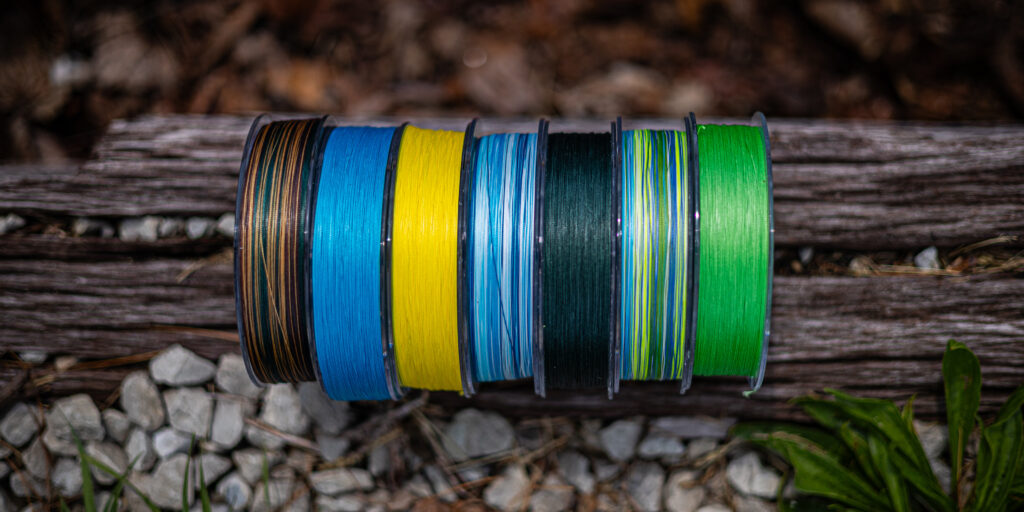
Choosing the right fishing line can make or break your success on the water. Among all options available, braided fishing line and monofilament fishing line are the two most commonly debated choices. Each has unique strengths, weaknesses, and ideal use cases depending on technique, water conditions, and target species.
In this guide, we’ll break down the key differences between braided vs mono, explain when to use each, and help you decide which fishing line is best for your style of fishing.
Understanding Fishing Line Basics
Before comparing braided vs monofilament, it’s important to understand what fishing line actually does:
- Transfers energy from rod to lure
- Communicates bites through feel
- Absorbs shock during hooksets and fights
- Resists abrasion from cover and structure
Different materials perform these roles very differently.
What Is Monofilament Fishing Line?
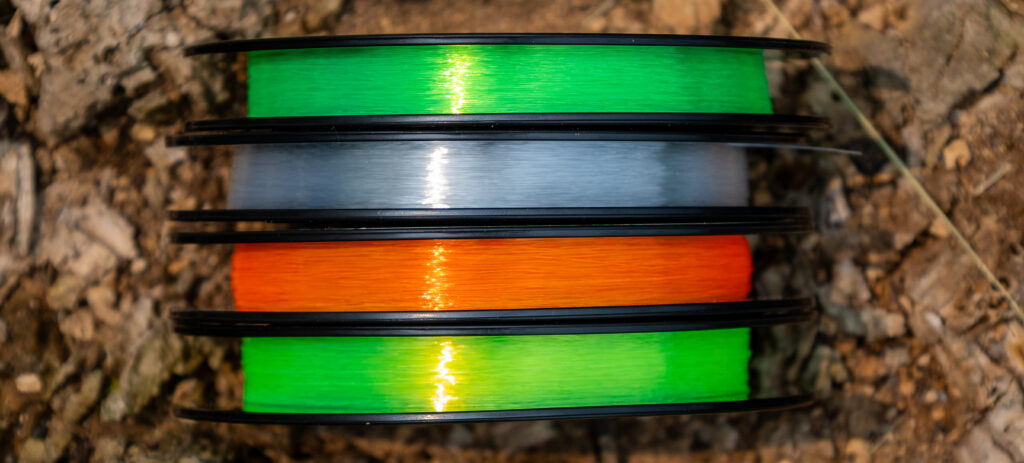
Monofilament line (often called “mono”) is a single strand of nylon. It’s been a staple in fishing for decades and remains widely used due to its versatility and forgiveness.
Key Characteristics of Monofilament
- Stretchy (typically 15–30%)
- Buoyant
- Low visibility in water
- Easy to handle and knot
- Affordable
Pros of Monofilament Line
- Excellent shock absorption for aggressive strikes
- Forgiving for beginners
- Floats, making it ideal for topwater lures
- Works well with treble hooks
- Less likely to pull hooks free during fights
Cons of Monofilament Line
- Less sensitive than braid
- Larger diameter for the same strength
- Breaks down faster in UV exposure
- More memory (coiling on the spool)
What Is Braided Fishing Line?
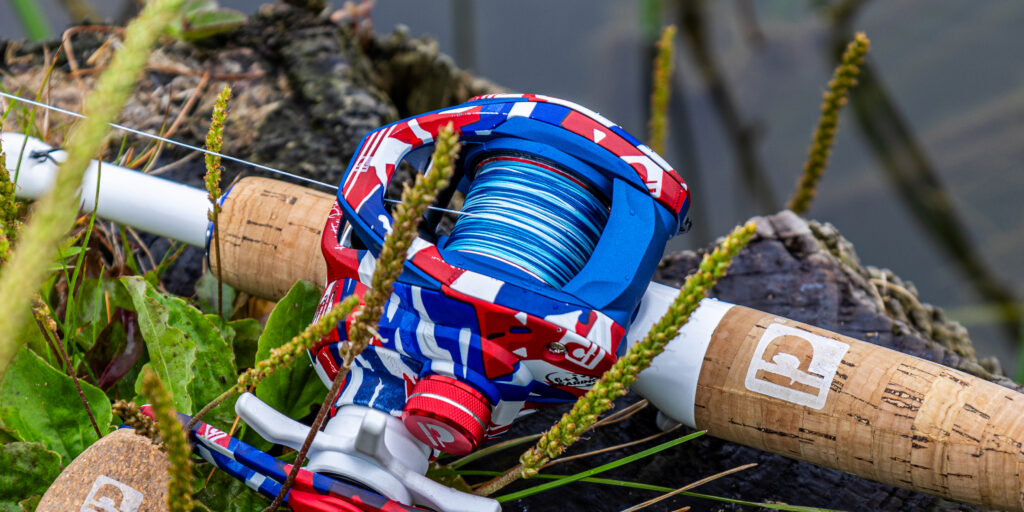
Braided line is made by weaving multiple strands of synthetic fibers (typically Spectra or Dyneema) into one ultra-strong line.
Key Characteristics of Braided Line
- Virtually no stretch
- Extremely thin diameter
- Very high strength
- Highly sensitive
- Long-lasting
Pros of Braided Line
- Superior sensitivity for detecting light bites
- Cuts through vegetation easily
- Casts farther due to thin diameter
- Long lifespan with minimal degradation
- Excellent hook penetration
Cons of Braided Line
- Highly visible underwater
- No shock absorption
- Can pull hooks free if drag isn’t set correctly
- More expensive upfront
- Requires specific knots to prevent slipping
Braided vs Mono: Key Differences at a Glance
Sensitivity
- Winner: Braided
- No stretch means you feel everything
Strength-to-Diameter Ratio
- Winner: Braided
- Thinner line = longer casts + deeper presentations
Forgiveness
- Winner: Monofilament
- Stretch prevents break-offs and pulled hooks
Abrasion Resistance
- Depends on conditions
- Mono handles rocks well
- Braid excels in grass and vegetation
Visibility
- Winner: Monofilament
- Naturally clearer in water
Best Fishing Line by Technique
Topwater Fishing
- Floats naturally
- Stretch keeps fish pinned on trebles
Finesse Fishing (Drop Shot, Ned Rig)
Braided main line with mono leader
- Sensitivity + stealth
Heavy Cover (Grass, Pads, Wood)
- Power and cutting ability
Crankbaits & Reaction Lures
- Stretch improves landing percentage
Jig & Texas Rig Fishing
Braided or braid-to-mono setup
- Maximum feel and hookset power
Braided vs Mono for Beginners
If you’re new to fishing, monofilament is often the best starting point. It’s easier to manage, more forgiving on mistakes, and works across a wide range of techniques.
As anglers gain experience, many transition to braid or braid-with-leader setups to improve sensitivity and control.
Is a Braid-to-Mono Leader the Best of Both Worlds?
Many anglers use braided main line with a monofilament leader to combine advantages:
- Sensitivity from braid
- Stealth and shock absorption from mono
- Improved knot strength near the lure
This setup is especially popular in clear water or finesse applications.
Which Fishing Line Should You Choose?
Choose monofilament if:
- You fish topwater or crankbaits
- You want forgiveness
- You’re a beginner
- You prefer simplicity
Choose braided line if:
- You fish heavy cover
- You need maximum sensitivity
- You want long casts and power
- You fish deep or finesse techniques
There is no universal “best” fishing line—only the best fishing line for your situation.
Frequently Asked Questions (FAQ)
Is braided line better than monofilament?
Braided line is better for sensitivity, strength, and heavy cover. Monofilament is better for forgiveness, buoyancy, and reaction baits.
Should beginners use braided or mono line?
Most beginners should start with monofilament because it’s easier to manage and less likely to cause issues with knots, backlash, or pulled hooks.
Does braided line spook fish?
Yes, braided line is more visible underwater. In clear water, using a monofilament leader can help reduce visibility.
What pound test braid equals mono?
Because braid is thinner:
- 20 lb braid ≈ 6 lb mono diameter
- 30 lb braid ≈ 8 lb mono diameter
Can you use braided line without a leader?
Yes, especially in dirty water, heavy vegetation, or when fishing topwater. In clear water, a leader is often recommended.
Does monofilament float or sink?
Monofilament floats, making it ideal for topwater presentations.
Which fishing line lasts longer?
Braided line lasts significantly longer than monofilament because it resists UV damage and doesn’t degrade as quickly.
Final Thoughts
The braided vs mono debate isn’t about which line is “better”—it’s about matching your line to your technique, water conditions, and fishing style. Many anglers keep both on hand and switch depending on the situation.
Understanding these fishing line differences will help you make smarter choices, land more fish, and fish with confidence.
- Click here to buy: Braided Fishing Line
- Click here to buy: Monofilament Fishing Line
- Click here to buy: Fluorocarbon Fishing Line
- Click here to buy: Tackle Bags

