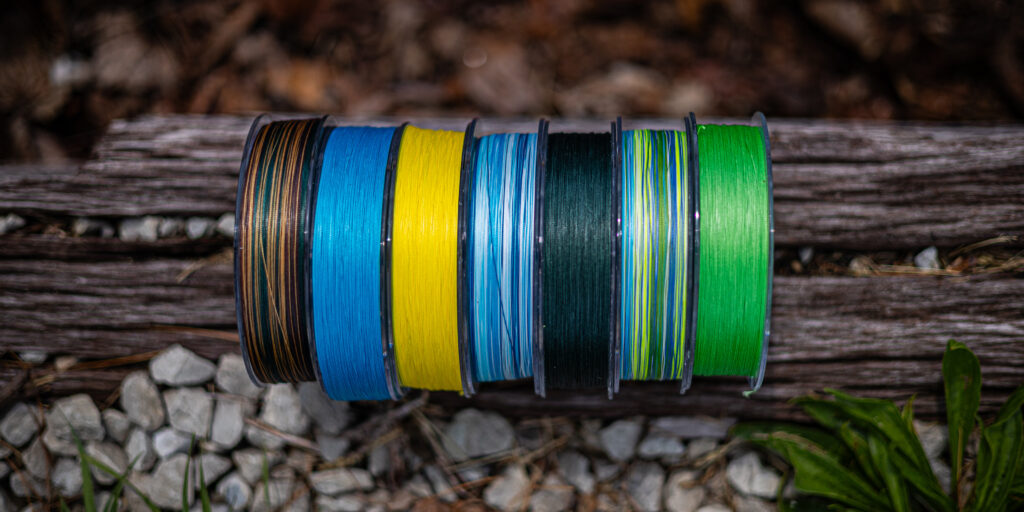
Choosing the right fishing line is one of the most important decisions an angler can make. Your line is the direct connection between you and the fish, and the wrong choice can mean lost bites, broken lines, or missed catches.
With so many options available—braided line, monofilament, fluorocarbon, and different pound tests—it can be confusing to know what works best for your fishing style.
This guide explains the different types of fishing line, when to use them, and how to choose the best fishing line for freshwater and saltwater fishing. Whether you’re a beginner or experienced angler, understanding fishing line will dramatically improve your results on the water.
Types of Fishing Line Explained
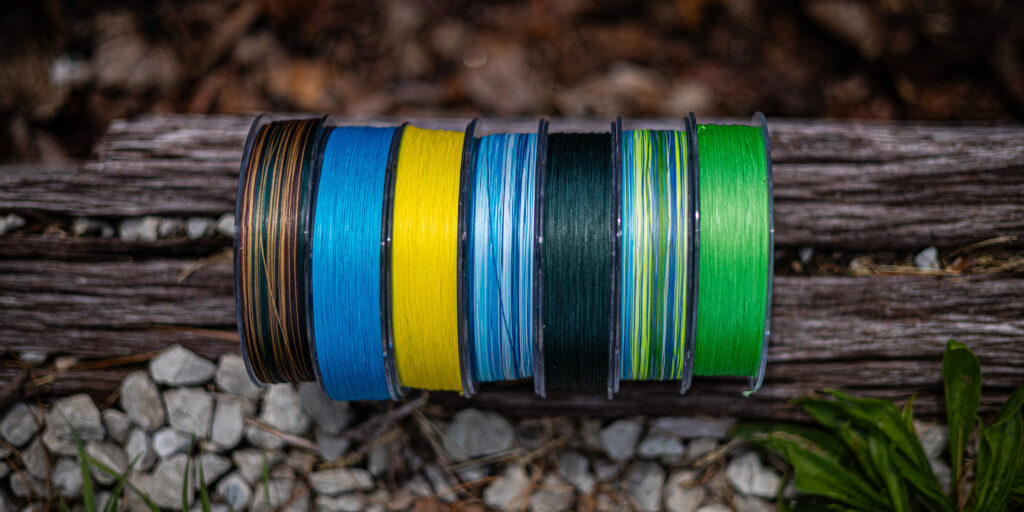
Braided Fishing Line
Braided fishing line is made by weaving together multiple ultra-strong synthetic fibers. This creates a very thin line with extremely high strength compared to its diameter.
Key Advantages
- Very high strength-to-diameter ratio
- Almost zero stretch, giving excellent sensitivity
- Long casting distance
- Excellent for heavy cover fishing
Because braid has little stretch, anglers can feel even the smallest bites, making it ideal for bass fishing, jigging, and deep water techniques.
Best Situations for Braided Line
- Fishing heavy vegetation
- Frogging or punching grass
- Deep-water fishing
- Saltwater offshore fishing
- Situations requiring long casts
Potential Downsides
- More visible in clear water
- Can dig into spool if spooled incorrectly
- Usually requires a leader for finesse fishing
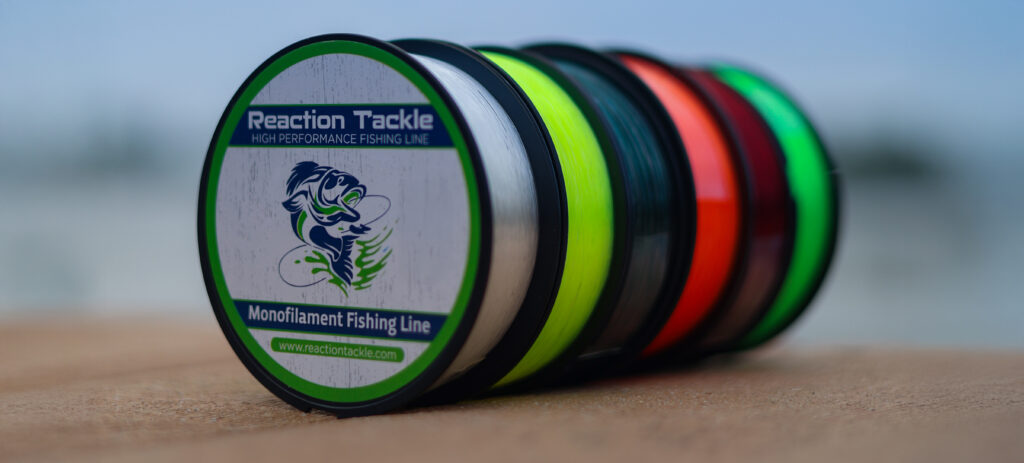
Monofilament Fishing Line
Monofilament line is one of the most widely used fishing lines in the world. It is made from a single strand of nylon and is known for its versatility and ease of use.
Key Advantages
- Affordable and widely available
- Good knot strength
- High stretch, which absorbs shock
- Easy to handle for beginners
The stretch in monofilament helps prevent hooks from tearing out during fights, making it great for topwater fishing and moving baits.
Best Situations for Monofilament
- Topwater fishing
- Beginner anglers
- Fishing with treble hooks
- Live bait fishing
- General purpose setups
Potential Downsides
- More stretch reduces sensitivity
- Weaker than braid at similar diameters
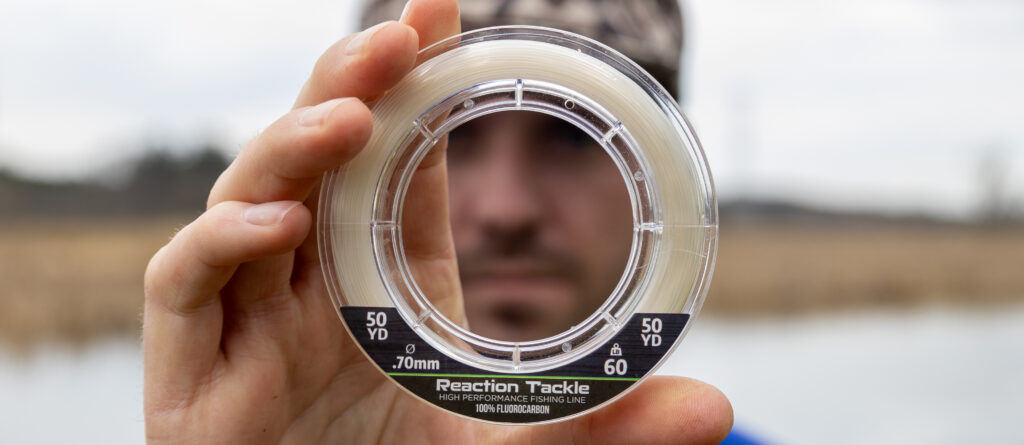
Fluorocarbon Fishing Line
Fluorocarbon line is made from a dense polymer that is nearly invisible underwater, making it extremely popular for clear-water fishing.
Key Advantages
- Low visibility underwater
- Very abrasion resistant
- Sinks faster than monofilament
- More sensitive than mono
Because fluorocarbon sinks, it is often used for bottom-contact techniques like jigs, Texas rigs, and drop shots.
Best Situations for Fluorocarbon
- Clear water conditions
- Finesse fishing
- Bottom contact techniques
- Fishing around rocks or structure
- Leader material for braided line
Potential Downsides
- Stiffer than mono
- Can be more expensive
- Slightly harder to tie knots with
How to Choose the Best Fishing Line
Choosing the right fishing line depends on four main factors.
1. Water Clarity
- Clear water: Fluorocarbon or braid with fluorocarbon leader
- Stained water: Braid or mono
- Dirty water: Braid works best
Fish in clear water are more likely to see your line, which is why fluorocarbon excels in those conditions.
2. Fishing Technique
Different fishing techniques benefit from different line properties.
| Technique | Recommended Line |
|---|---|
| Topwater | Monofilament |
| Frogging | Braided line |
| Jigs / Worms | Fluorocarbon |
| Crankbaits | Monofilament |
| Finesse | Fluorocarbon or braid + leader |
3. Cover and Structure
Fishing around heavy cover requires stronger lines.
- Heavy grass or weeds: Braided line
- Rocks or docks: Fluorocarbon
- Open water: Mono or fluorocarbon
Abrasion resistance becomes important when fishing near rocks, wood, or docks.
4. Line Strength (Pound Test)
Pound test refers to the amount of force a fishing line can withstand before breaking.
General guidelines:
| Fishing Type | Recommended Pound Test |
|---|---|
| Trout / panfish | 2–6 lb |
| Bass | 8–20 lb |
| Pike | 20–40 lb |
| Inshore saltwater | 15–30 lb |
| Offshore saltwater | 50–100+ lb |
Keep in mind that braided line is much thinner, so a 30 lb braid may have the diameter of 8 lb monofilament.
Braided vs Monofilament vs Fluorocarbon
Here is a quick comparison of the three main fishing line types.
| Feature | Braided | Monofilament | Fluorocarbon |
|---|---|---|---|
| Strength | Very high | Moderate | High |
| Stretch | Very low | High | Low |
| Visibility | High | Moderate | Very low |
| Sensitivity | Excellent | Low | High |
| Abrasion resistance | Moderate | Moderate | Excellent |
Many anglers combine them, such as braided main line with a fluorocarbon leader for the best balance of strength and invisibility.
Tips for Spooling Fishing Line Correctly
Even the best fishing line can perform poorly if it is not spooled correctly.
Best Practices
- Always fill your spool to about 1/8 inch from the lip
- Use backing when spooling braid
- Maintain steady tension while spooling
- Wet knots before tightening
Improper spooling can cause line twist, wind knots, and casting problems.
Common Fishing Line Mistakes
Using the Wrong Pound Test
Using line that is too light can cause break-offs, while overly heavy line reduces casting distance.
Not Replacing Old Line
Fishing line weakens over time due to sunlight, abrasion, and repeated stress.
Ignoring Line Visibility
In clear water, visible line can significantly reduce bites.
Not Checking for Damage
Always run your fingers along the line after catching fish or dragging across structure to detect frays.
Frequently Asked Questions (FAQ)
What is the best fishing line for beginners?
Monofilament is usually the best option for beginners because it is easy to tie knots with, affordable, and forgiving due to its stretch.
Is braided fishing line better than monofilament?
Not necessarily. Braided line is stronger and more sensitive, but monofilament performs better for topwater fishing and situations where stretch is helpful.
Should I use a leader with braided fishing line?
In most situations, yes. Many anglers attach a fluorocarbon leader to braided main line to reduce visibility and improve abrasion resistance.
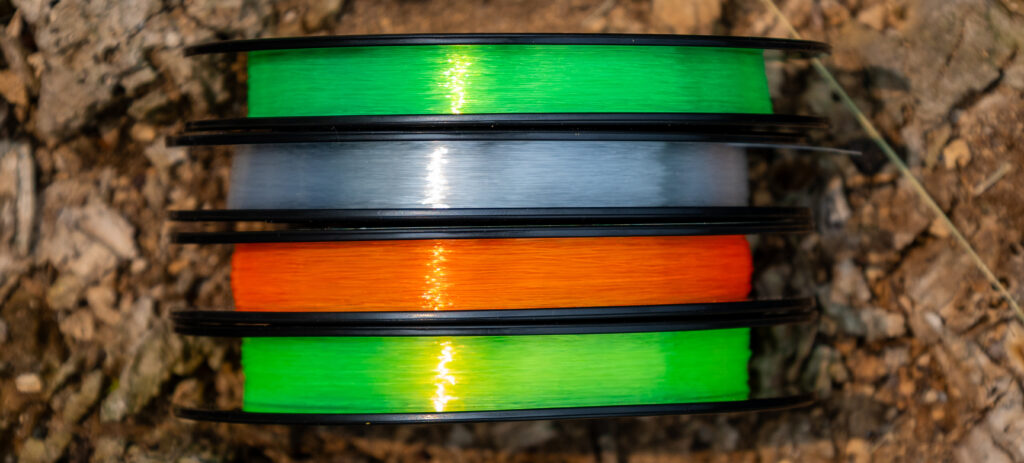
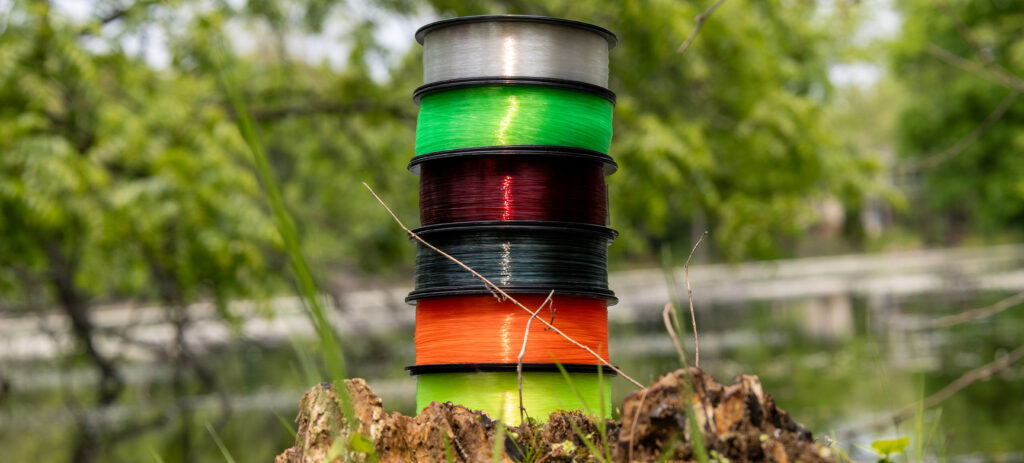
What color fishing line is best?
- High visibility colors: good for anglers watching line movement
- Green: blends into most water
- Clear: best for clear water
The best choice often depends on water clarity and fishing style.
How often should fishing line be replaced?
General guidelines:
- Monofilament: every season
- Fluorocarbon: every 6–12 months
- Braided line: can last multiple seasons if not damaged
However, any line should be replaced immediately if fraying, memory, or weakening occurs.
What fishing line casts the farthest?
Braided line typically casts the farthest because it has very small diameter and minimal memory, allowing it to flow smoothly off the spool.
- Click here to buy: Braided Fishing Line
- Click here to buy: Monofilament Fishing Line
- Click here to buy: Fluorocarbon Fishing Line
- Click here to buy: Tackle Bags

