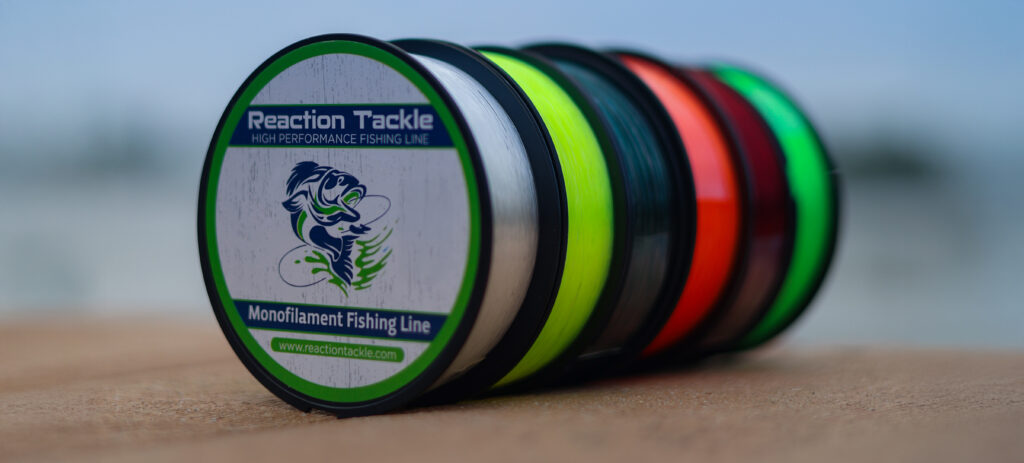
In a world filled with advanced fishing lines like braid and fluorocarbon, it’s easy to assume monofilament is outdated. But the truth is, monofilament fishing line still catches fish—and in many situations, it outperforms newer alternatives.
Understanding the monofilament fishing line benefits can help you choose the right setup, improve your hook-up ratio, and fish more efficiently. This guide breaks down exactly why mono still works, when to use it, and how to get the most out of it.
What Is Monofilament Fishing Line?
Monofilament (or “mono”) is a single-strand nylon fishing line known for its versatility and ease of use. It has been a staple in fishing for decades because of its balance between performance and simplicity.
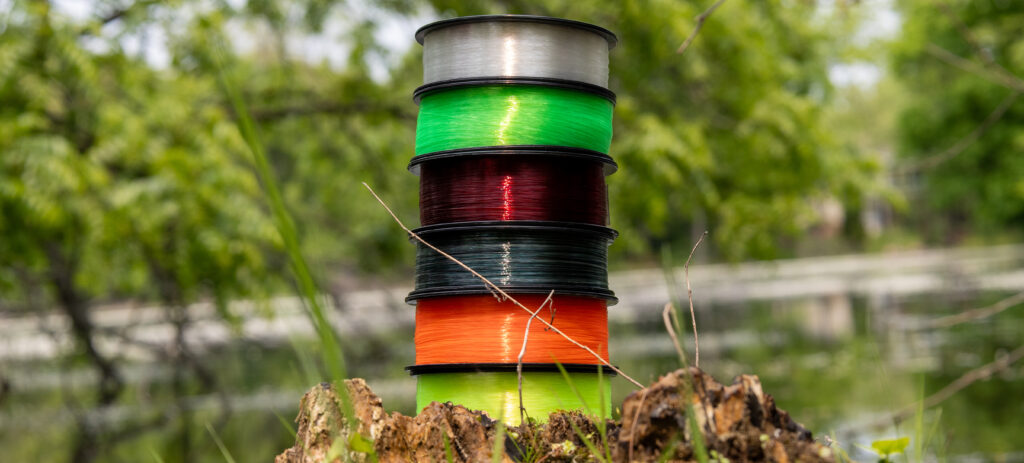
Key Monofilament Fishing Line Benefits
1. Built-In Stretch for Better Hookups
One of the biggest advantages of monofilament is its natural stretch.
This stretch helps:
- Absorb aggressive strikes
- Prevent hooks from tearing free
- Reduce break-offs during sudden runs
This is especially important when using treble-hooked lures.
2. Ideal for Topwater Fishing
Monofilament naturally floats, making it perfect for:
- Walking baits
- Poppers
- Buzzbaits
Unlike fluorocarbon (which sinks), mono keeps your lure working properly on the surface.
3. Forgiving and Beginner-Friendly
Mono is easier to use than other lines because it:
- Handles well on most reels
- Knots easily and securely
- Is less prone to user error
This makes it one of the best options for beginners.
4. Lower Visibility Than Braid
While not as invisible as fluorocarbon, monofilament is still less visible than braid, especially in stained water.
This helps:
- Reduce spooked fish
- Improve presentation
5. Versatility Across Techniques
Monofilament can be used effectively for:
- Topwater fishing
- Crankbaits
- Spinnerbaits
- Live bait fishing
Few lines are as adaptable across different styles.
6. Shock Absorption Around Structure
When fishing near:
- Rocks
- Wood
- Docks
Mono’s stretch helps absorb pressure and prevent sudden line failure.
7. Cost-Effective and Accessible
Monofilament is typically:
- More affordable than braid or fluorocarbon
- Widely available
- Easy to replace frequently
This makes it ideal for anglers who fish often.
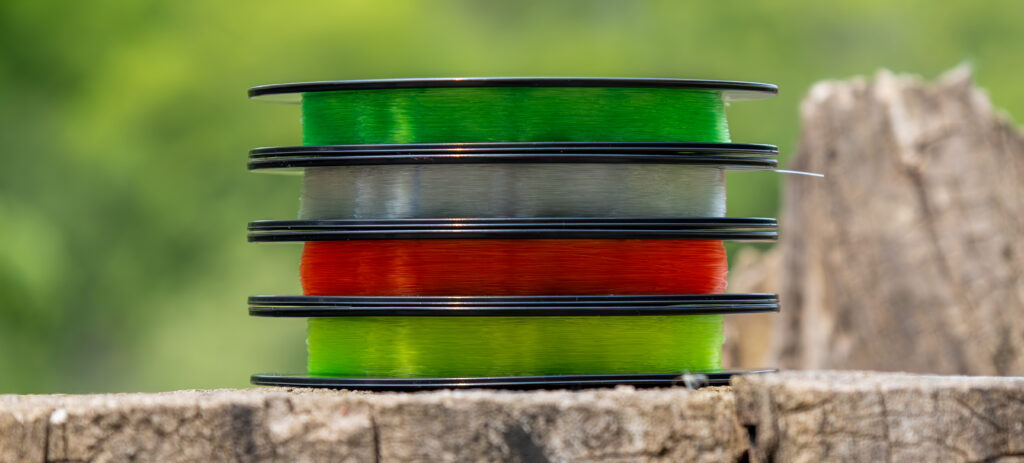
When Monofilament Works Best
Monofilament shines in situations where forgiveness and buoyancy matter most.
Topwater Fishing
- Keeps lures floating
- Prevents pulled hooks
Reaction Baits (Crankbaits, Spinnerbaits)
- Stretch improves landing percentage
- Reduces lost fish
Beginner Setups
- Easy to manage
- Works in most conditions
Live Bait Fishing
- Absorbs sudden movement
- Keeps bait presentation natural
When Monofilament Isn’t the Best Choice
While mono is versatile, it isn’t perfect.
Avoid mono when:
- Fishing deep water (less sensitivity)
- Needing maximum hookset power
- Fishing heavy vegetation
- Targeting extremely pressured fish in clear water
In these situations, braid or fluorocarbon may perform better.
Monofilament vs Other Fishing Lines
| Feature | Monofilament | Fluorocarbon | Braid |
|---|---|---|---|
| Stretch | High | Low | None |
| Visibility | Medium | Low | High |
| Buoyancy | Floats | Sinks | Floats |
| Sensitivity | Moderate | High | Very High |
| Best Use | Topwater, reaction baits | Finesse, clear water | Heavy cover, long casts |
Tips for Getting the Most Out of Monofilament
Replace It Regularly
Mono degrades over time due to UV exposure and wear. Replace it every few months if used frequently.
Match Pound Test to Technique
- 6–8 lb: finesse fishing
- 8–12 lb: general use
- 12–17 lb: heavier cover or larger fish
Store It Properly
Keep line out of direct sunlight and extreme heat to extend its lifespan.
Check for Damage
Inspect for:
- Nicks
- Frays
- Weak spots
Replace damaged sections immediately.
Common Misconceptions About Monofilament
“Mono is outdated”
Not true. It’s still one of the most effective lines for specific techniques.
“It’s too weak”
Mono is strong when used correctly and matched to the right pound test.
“Braid or fluoro is always better”
Each line has strengths. Mono excels where stretch and buoyancy are advantages.
Frequently Asked Questions (FAQ)
What are the main monofilament fishing line benefits?
Monofilament offers stretch, buoyancy, ease of use, versatility, and affordability—making it effective for many fishing situations.
Is monofilament good for beginners?
Yes. It’s one of the easiest fishing lines to manage and works across a wide range of techniques.
Does monofilament float or sink?
Monofilament floats, making it ideal for topwater fishing.
How often should monofilament be replaced?
Typically every 3–6 months, or sooner if it shows signs of wear or damage.
Is monofilament better than braid?
It depends on the situation. Mono is better for topwater and reaction baits, while braid is better for heavy cover and sensitivity.
What pound test mono should I use?
It depends on the technique:
- Light fishing: 6–8 lb
- General use: 8–12 lb
- Heavy cover: 12–17 lb
Final Thoughts
Despite newer options on the market, monofilament fishing line continues to prove its value. Its stretch, buoyancy, and versatility make it a reliable choice for many anglers and techniques.
Understanding when and why mono works gives you an advantage—and helps you fish with more confidence and consistency.
Click here to buy: Braided Fishing Line
Click here to buy: Monofilament Fishing Line
Click here to buy: Fluorocarbon Fishing Line
Click here to buy: Tackle Bags

