
If you’ve ever hooked a big fish in thick grass, lily pads, or submerged vegetation, you know the battle isn’t just against the fish—it’s against everything between you and the fish.
That’s where braided line shines.
When anglers talk about braided line for grass and braid in heavy cover, there’s a reason it’s often the first recommendation. Braided line provides unmatched strength, sensitivity, and cutting power that can help you pull fish out of places where other fishing lines struggle.
But simply spooling up with braid isn’t enough. Understanding why it works, when to use it, and how to set up your gear properly will help you maximize its advantages.
In this guide, we’ll break down everything you need to know about using braided line for heavy cover fishing.
What Is Heavy Cover Fishing?
Heavy cover refers to areas where fish live around dense structure that can easily snag your lure or break your line.
Examples include:
- Thick grass beds
- Lily pads
- Hydrilla
- Milfoil
- Reeds
- Brush piles
- Standing timber
- Fallen trees
- Heavy vegetation
These areas are prime locations for bass and other predatory fish because they provide shade, protection, and access to food.
The challenge is getting fish out before they bury themselves deeper into cover.
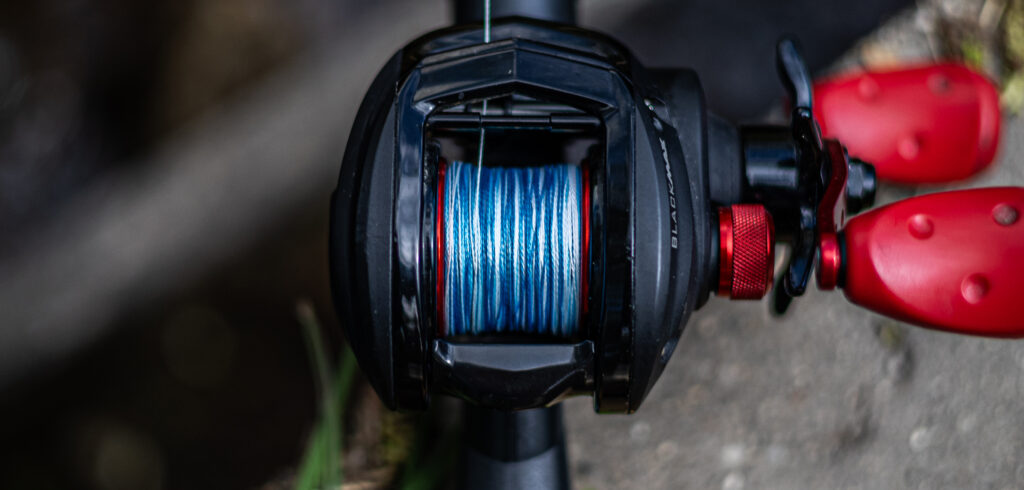
Why Braided Line Is the Best Choice for Heavy Cover Fishing
1. Exceptional Strength for Its Size
One of braid’s biggest advantages is its incredible strength-to-diameter ratio.
Compared to other lines, braid is:
- Much thinner for the same strength
- Easier to cast
- Strong enough to pull fish through vegetation
For example:
- 50-pound braid has a diameter similar to much lighter monofilament
This allows anglers to fish heavy cover without sacrificing casting performance.
2. Braided Line Cuts Through Vegetation
One of the biggest reasons anglers choose braided line for grass is its ability to slice through vegetation.
When a fish wraps itself in:
- Grass
- Weeds
- Lily pad stems
Braid often cuts through the cover rather than getting tangled inside it.
This dramatically increases your chances of landing fish.
3. Maximum Sensitivity
Braided line has virtually no stretch.
That means you can:
- Feel subtle bites
- Detect bottom structure
- Notice fish swimming toward you
Sensitivity becomes even more important in heavy cover because strikes can be difficult to recognize.
4. Stronger Hooksets
In heavy vegetation, fish often have extra leverage.
Braided line allows you to:
- Drive hooks through thick mouths
- Penetrate heavy frog hooks
- Set the hook at longer distances
The instant power transfer is one of braid’s biggest advantages.
5. Better Performance in Dense Cover
Heavy vegetation creates resistance.
Braided line helps maintain control when:
- Fighting fish
- Pulling fish from grass
- Fishing deep cover
This control often means the difference between landing a fish and losing one.
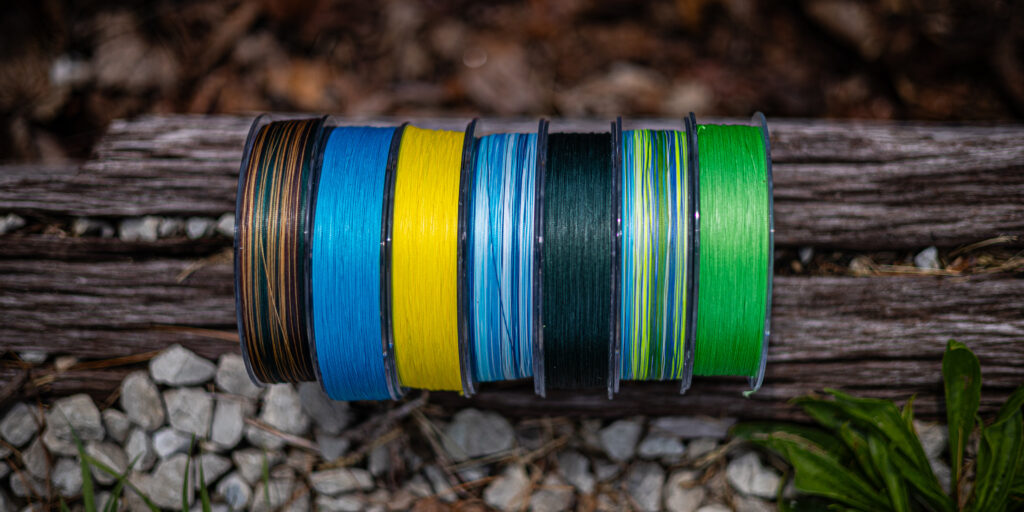
Best Techniques for Braid in Heavy Cover
Frog Fishing
Braided line is the gold standard for frog fishing.
Why?
- Strong hooksets
- Pulls fish through pads
- Handles explosive strikes
Recommended braid:
- 50–65 lb
Flipping and Pitching
Perfect for targeting:
- Docks
- Wood
- Brush piles
- Vegetation
Recommended braid:
- 40–65 lb
Punching Heavy Vegetation
Punching requires strength and control.
Braided line excels because it:
- Handles heavy weights
- Moves fish quickly
- Reduces break-offs
Recommended braid:
- 50–65 lb
Texas Rig Fishing in Cover
Braided line improves:
- Sensitivity
- Hook penetration
- Fish control
Many anglers pair braid with a leader depending on water clarity.
When You Should NOT Use Braid in Heavy Cover
Although braid is excellent in vegetation, there are situations where another line may be better.
Avoid braid when:
Fishing Extremely Clear Water
Fish may become line-shy.
Consider adding a fluorocarbon leader.
Fishing Topwater Lures With Treble Hooks
Braid’s lack of stretch can:
- Pull hooks free
- Reduce landing percentage
Monofilament is often a better choice.
Light Finesse Presentations
Heavy braid may negatively affect lure action.
Choosing the Right Braid Pound Test
The right size depends on the cover you’re fishing.
Light Vegetation
- 30–40 lb braid
Moderate Cover
- 40–50 lb braid
Heavy Grass and Pads
- 50–65 lb braid
Extreme Cover and Punching
- 65 lb braid
Heavier isn’t always better. Match your line to the conditions.
Best Rod and Reel Setup for Heavy Cover
Rod
Choose:
- Heavy power
- Fast action
- 7′ to 7’6″ length
Reel
Use:
- High-speed baitcasting reel
- Strong drag system
- Fast gear ratio (7:1 or higher)
This helps quickly remove fish from cover.
Common Heavy Cover Fishing Mistakes
Avoid these common errors:
Using Line That’s Too Light
Light line can:
- Break easily
- Dig into vegetation
Setting Drag Too Loose
Too much drag slip gives fish time to bury themselves deeper.
Waiting Too Long to Set the Hook
Heavy cover requires quick reaction time.
Using the Wrong Rod
A medium-power rod may not provide enough leverage.
Not Checking for Frays
Inspect your line often after fighting fish or dragging through cover.
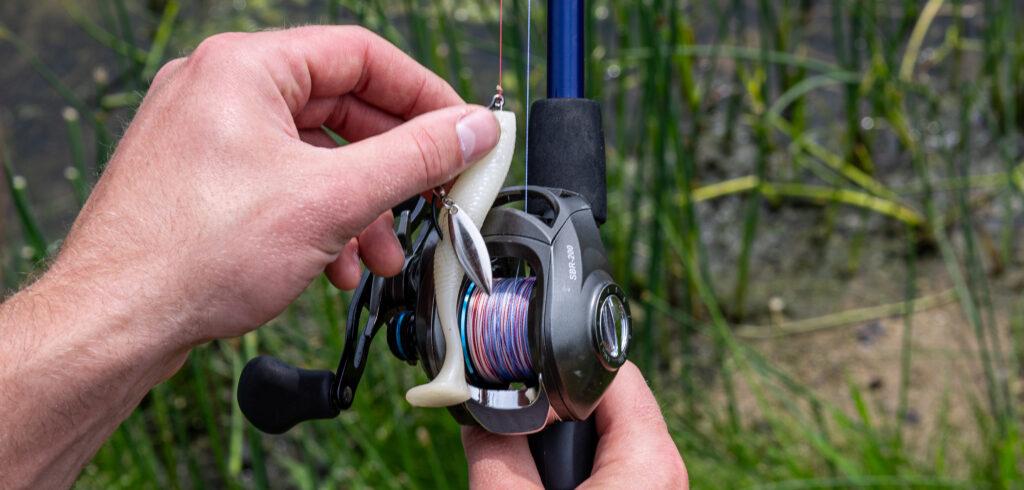
Braided Line vs Other Lines for Heavy Cover
| Feature | Braided Line | Monofilament | Fluorocarbon |
|---|---|---|---|
| Strength | Excellent | Moderate | High |
| Sensitivity | Excellent | Moderate | High |
| Vegetation Performance | Excellent | Poor | Moderate |
| Hookset Power | Excellent | Moderate | High |
| Heavy Cover Ability | Excellent | Poor | Good |
Braid consistently outperforms other line types in dense vegetation.
Frequently Asked Questions (FAQ)
Why is braided line better for grass fishing?
Braided line cuts through vegetation, provides stronger hooksets, and gives anglers more control over fish in heavy cover.
What pound braid should I use in heavy cover?
Most anglers use 50–65 lb braid for thick vegetation and heavy cover situations.
Is braid always the best choice?
No. In clear water or finesse situations, fluorocarbon or monofilament may perform better.
Can I use braid without a leader?
Yes. Many anglers fish straight braid in heavy vegetation.
Is braided line good for frog fishing?
Absolutely. Braid is considered the preferred choice for frog fishing because of its strength and hook-setting ability.
Does braid scare fish?
In extremely clear water, fish may notice braid more easily. Adding a leader can help when stealth is important.
Final Thoughts
When it comes to braid in heavy cover, few setups can match its performance.
Braided line gives anglers the strength, sensitivity, and control needed to confidently fish some of the most productive areas on the water. Thick grass, lily pads, and submerged vegetation often hold the biggest fish—and braid helps you get them out.
The key isn’t just using braid. It’s understanding when it gives you an advantage and building your setup around the conditions.
Because in heavy cover fishing, hesitation usually means lost fish—and braided line helps eliminate that problem. 🎣
Click here to buy: Braided Fishing Line
Click here to buy: Monofilament Fishing Line
Click here to buy: Fluorocarbon Fishing Line
Click here to buy: Tackle Bags

