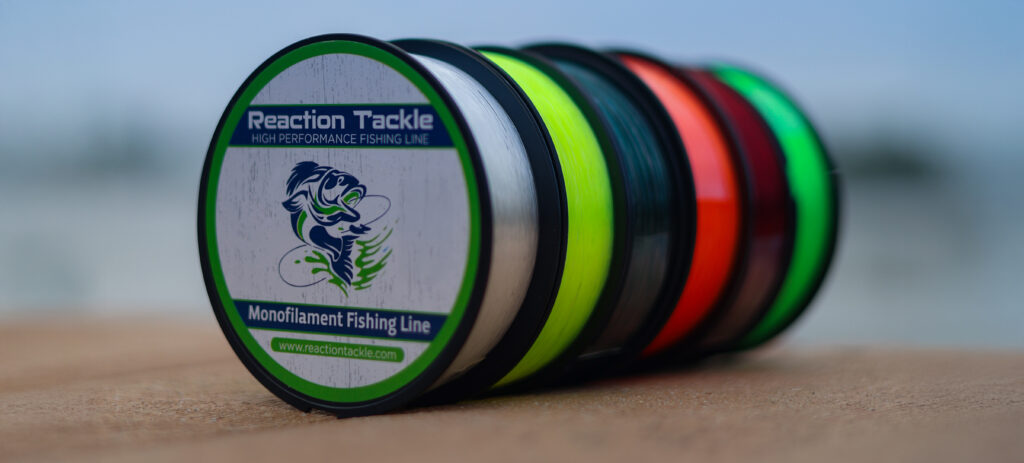
Braided fishing line has become one of the most popular choices among anglers thanks to its incredible strength, sensitivity, and casting performance. But despite all its advantages, many anglers don’t fish braid by itself.
Instead, they use a braid-to-leader setup.
Connecting braided line to either a fluorocarbon or monofilament leader combines the strengths of both lines, creating a versatile setup that performs well in a variety of fishing situations. But which leader should you choose? And what’s the best braid leader knot to connect them?
In this guide, we’ll explain everything you need to know about braid-to-leader setups, when to use fluorocarbon versus monofilament, and how to build a reliable system for your next fishing trip.
What Is a Braid-to-Leader Setup?
A braid-to-leader setup uses two different types of fishing line.
- Main Line: Braided fishing line spooled on your reel
- Leader: A section of fluorocarbon or monofilament tied between the braid and your lure or hook
This setup allows anglers to take advantage of braid’s sensitivity and strength while adding the unique benefits of a leader material.
Why Use a Leader with Braided Line?
Braided line performs exceptionally well, but adding a leader can improve your setup in several ways.
Benefits of a Braid-to-Leader Setup
- Reduces line visibility in clear water
- Improves abrasion resistance around rocks and structure
- Adds shock absorption during hooksets and fish fights
- Creates a more natural lure presentation
- Allows quick leader changes without replacing your main line
For many anglers, it’s the best of both worlds.
Fluorocarbon vs. Monofilament Leaders
Choosing between fluorocarbon and monofilament depends on how and where you’re fishing.
Let’s compare both options.
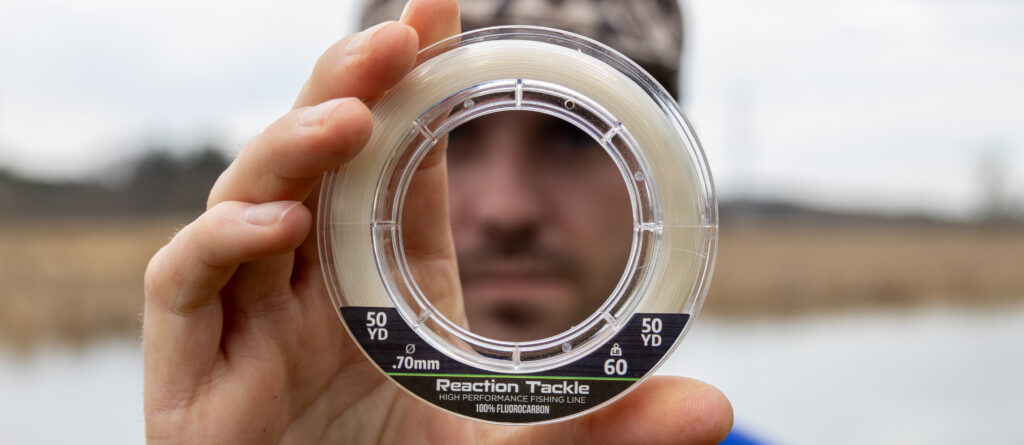
Fluorocarbon Leaders
Fluorocarbon is one of the most commonly used leader materials.
Advantages
Lower Visibility
Fluorocarbon has a refractive index closer to water, making it harder for fish to detect.
This makes it an excellent choice for:
- Clear water
- Pressured fisheries
- Finesse presentations
Excellent Abrasion Resistance
Fluorocarbon stands up well against:
- Rocks
- Docks
- Brush
- Shell beds
This added durability helps reduce break-offs when fishing around structure.
Sinks Naturally
Because fluorocarbon sinks, it’s ideal for techniques like:
- Texas rigs
- Jigs
- Drop shots
- Carolina rigs
It helps keep your bait in the strike zone longer.
Best Uses for Fluorocarbon Leaders
Use fluorocarbon leaders when:
- Fishing clear water
- Targeting pressured bass
- Fishing around rocks or wood
- Using bottom-contact techniques
- Making finesse presentations
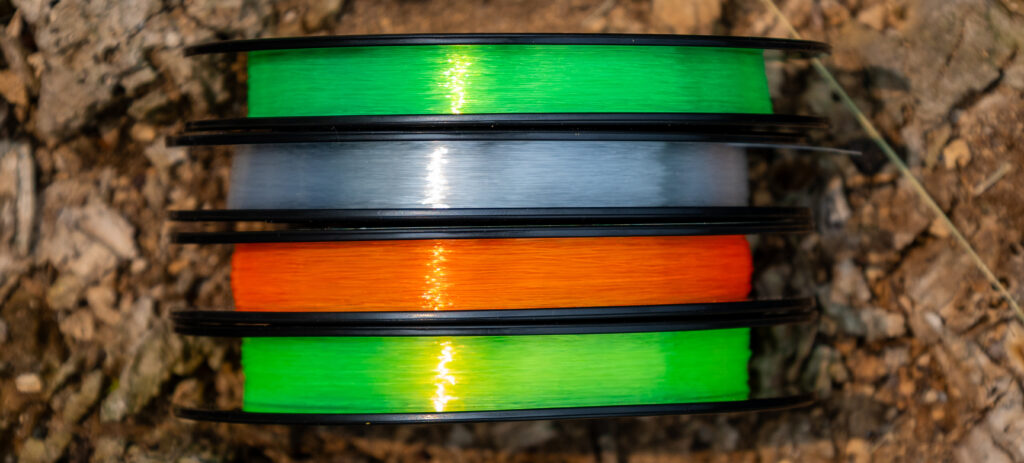
Monofilament Leaders
Monofilament remains a reliable leader option for many fishing techniques.
Advantages
More Stretch
Monofilament provides additional shock absorption during:
- Aggressive strikes
- Sudden fish runs
- Jumping fish
This stretch helps keep fish pinned, especially when using treble-hook lures.
Floating Properties
Unlike fluorocarbon, monofilament naturally floats.
This makes it an excellent choice for:
- Walking baits
- Poppers
- Buzzbaits
A floating leader helps preserve topwater lure action.
Easier Knot Tying
Many anglers find monofilament:
- Softer
- More flexible
- Easier to tie
This can be especially helpful for beginners.
Best Uses for Monofilament Leaders
Choose mono leaders when:
- Fishing topwater lures
- Using treble-hook baits
- Wanting more forgiveness during fights
- Fishing in stained or dirty water
Fluorocarbon vs. Monofilament Leader Comparison
| Feature | Fluorocarbon | Monofilament |
|---|---|---|
| Visibility | Very Low | Low |
| Stretch | Low | Moderate |
| Buoyancy | Sinks | Floats |
| Abrasion Resistance | Excellent | Good |
| Sensitivity | High | Moderate |
| Best For | Clear water, finesse | Topwater, reaction baits |
Neither leader is better in every situation—it depends on your presentation and conditions.
Choosing the Right Leader Length
Leader length varies based on technique and water clarity.
Short Leaders (2–4 feet)
Best for:
- Heavy cover
- Power fishing
- Frog fishing
Medium Leaders (4–8 feet)
Ideal for:
- General bass fishing
- Everyday applications
Long Leaders (8–15 feet)
Perfect for:
- Clear water
- Finesse fishing
- Pressured fish
Longer leaders increase stealth but require more frequent retying.
Choosing the Right Leader Pound Test
Match your leader to your technique.
Finesse Fishing
- 6–8 lb
General Bass Fishing
- 8–12 lb
Jigs & Texas Rigs
- 12–17 lb
Heavy Cover
- 15–20 lb
A balanced setup provides enough strength without sacrificing presentation.

Best Braid Leader Knots
A strong connection between braid and your leader is essential.
FG Knot
The FG Knot is one of the strongest and slimmest braid-to-leader connections.
Best For:
- Long casts
- Heavy fishing
- Guides that require a smooth knot
Double Uni Knot
A favorite among anglers because it’s:
- Easy to learn
- Reliable
- Strong
It’s an excellent choice for beginners.
Alberto Knot
The Alberto Knot is another popular option because it:
- Passes through guides smoothly
- Holds well with braid
- Works across different line sizes
Common Braid-to-Leader Mistakes
Avoid these common problems:
Using a Leader That’s Too Heavy
A heavy leader can reduce lure action and become more visible.
Choosing the Wrong Leader Material
For example:
- Fluorocarbon for topwater
- Mono for deep finesse fishing
Matching the leader to the technique is important.
Poor Knot Tying
Weak knots are one of the leading causes of lost fish.
Always tighten knots properly and test them before fishing.
Ignoring Leader Wear
Check your leader regularly for:
- Nicks
- Frays
- Abrasion
Replace damaged leaders before they fail.
Do You Always Need a Leader?
Not necessarily.
Fishing straight braid works well in situations like:
- Heavy grass
- Lily pads
- Thick vegetation
- Dirty water
In these conditions, line visibility is less important than strength.
Frequently Asked Questions (FAQ)
What is a braid-to-leader setup?
A braid-to-leader setup uses braided line as the main line with a fluorocarbon or monofilament leader tied between the braid and your lure.
Should I use a fluorocarbon or monofilament leader?
Use fluorocarbon for clear water, finesse fishing, and bottom-contact techniques. Use monofilament for topwater fishing, treble-hook lures, and situations where extra stretch is beneficial.
What is the best braid leader knot?
The FG Knot is widely considered the strongest braid-to-leader connection. The Double Uni Knot and Alberto Knot are also excellent choices and are easier for many anglers to tie.
How long should my leader be?
Most anglers use leaders between 4 and 8 feet, adjusting based on water clarity and fishing technique.
Can I fish braided line without a leader?
Yes. Straight braid is commonly used in heavy vegetation, muddy water, and other situations where visibility isn’t a major concern.
How often should I replace my leader?
Inspect your leader throughout the day and replace it whenever you notice abrasion, nicks, or weakened knots.
Final Thoughts
A well-built braid-to-leader setup gives anglers the versatility to adapt to nearly any fishing situation. By combining the strength and sensitivity of braided line with the unique advantages of fluorocarbon or monofilament leaders, you can create a setup that performs with confidence in a wide range of conditions.
The key is choosing the right leader for the technique. Fluorocarbon excels in clear water and finesse presentations, while monofilament shines with topwater lures and reaction baits where extra stretch and buoyancy improve performance.
Pair your setup with a reliable braid leader knot, check your leader often, and you’ll be ready to fish confidently—whether you’re working deep structure, skipping docks, or casting across a field of lily pads. 🎣
Click here to buy: Braided Fishing Line
Click here to buy: Monofilament Fishing Line
Click here to buy: Fluorocarbon Fishing Line
Click here to buy: Tackle Bags
