
Braided fishing line is one of the strongest and most sensitive fishing lines available, but it’s also one of the most debated. One question comes up time and time again:
Does braided line spook fish?
The short answer is yes—it can, but not always.
While braided line is more visible underwater than fluorocarbon or monofilament, whether that visibility actually affects your catch depends on several factors, including water clarity, fish species, fishing pressure, and the presentation you’re using.
In this guide, we’ll explore the truth about braided line visibility, when it matters, when it doesn’t, and how to decide whether fishing straight braid or using a leader is the best option.
Why Is Braided Line More Visible?
Braided line is made by weaving together multiple synthetic fibers, creating an extremely strong line with a small diameter.
Unlike fluorocarbon, braid does not have optical properties that help it blend into the water. Instead, it tends to:
- Reflect more light
- Hold bright or dark colors
- Stand out against the surrounding water
- Remain visible even at smaller diameters
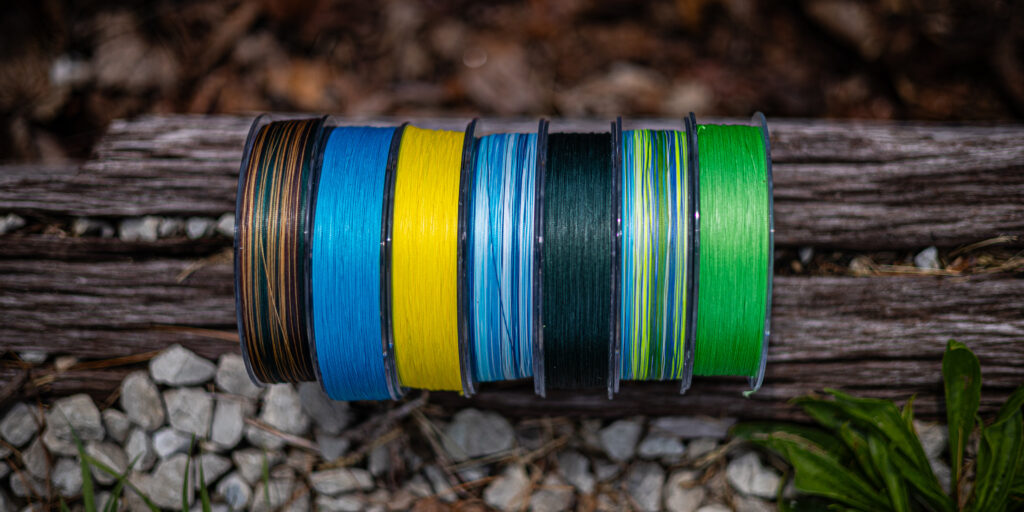
High-visibility colors like yellow, lime green, and chartreuse are intentionally designed so anglers can easily watch their line above the water, but they’re also the easiest for fish to see below the surface.
Even darker colors like moss green or black are generally more noticeable than fluorocarbon in clear water.
Does Braid Actually Scare Fish?
The answer depends on the conditions.
Fish don’t automatically swim away simply because they see braided line. Instead, visibility becomes one factor among many that can influence whether a fish commits to biting.
In many situations, fish are much more focused on:
- The movement of your lure
- Water temperature
- Current
- Feeding activity
- Natural presentation
However, there are times when line visibility can make a difference.
When Braided Line Visibility Matters
1. Clear Water
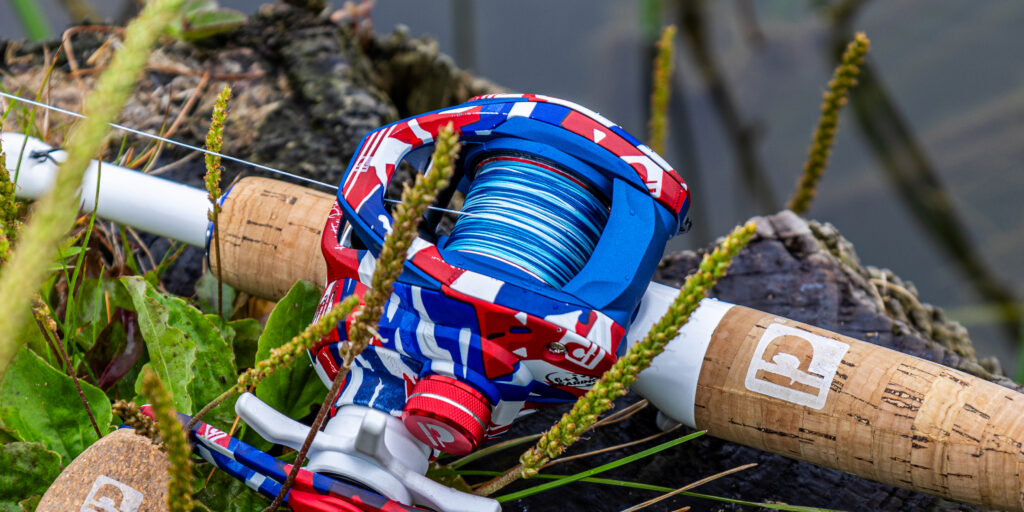
Crystal-clear lakes and rivers give fish plenty of time to inspect your presentation.
In these conditions, highly visible braid may reduce the number of bites, especially from cautious fish.
Many anglers switch to a fluorocarbon leader to make the final section of line less noticeable.
2. Highly Pressured Fisheries
Fish that see hundreds of lures every week often become more selective.
In heavily fished lakes and ponds, even small details—including fishing line—can influence whether a fish bites.
3. Finesse Fishing
Techniques such as:
- Drop shots
- Ned rigs
- Wacky rigs
- Shaky heads
often rely on subtle presentations.
Because fish spend more time examining these baits, reducing line visibility can improve your chances of getting a bite.
4. Bright, Sunny Conditions
On sunny days with calm water, light penetration increases.
This can make braided line easier for fish to detect than it would be on cloudy days or in stained water.
When Braided Line Usually Doesn’t Matter
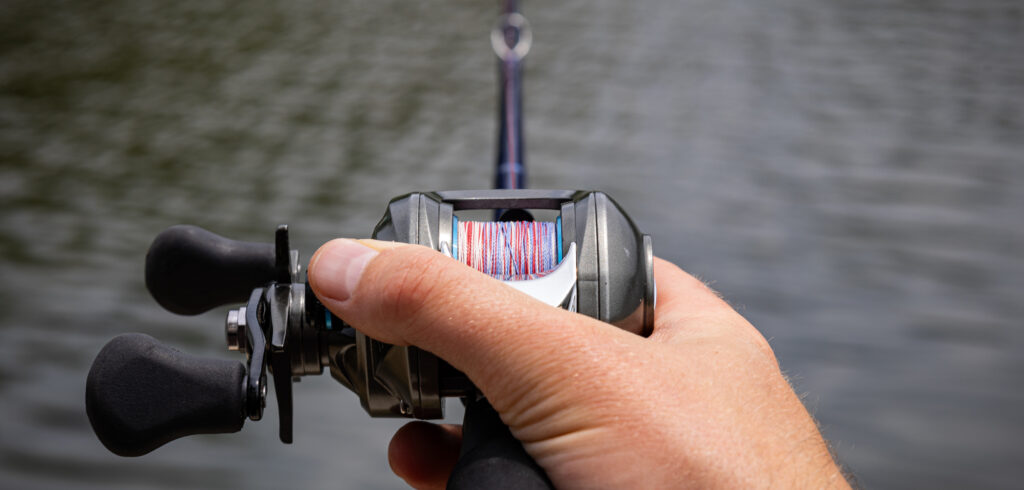
There are plenty of situations where does braid scare fish becomes much less of a concern.
Heavy Vegetation
In grass, lily pads, hydrilla, and reeds, fish have limited visibility.
Strength is far more important than stealth, making straight braid an excellent choice.
Muddy or Stained Water
When visibility is already low, fish rely more on:
- Vibration
- Sound
- Water displacement
In these conditions, braid visibility becomes much less important.
Reaction Baits
Fast-moving lures don’t give fish much time to inspect your line.
Examples include:
- Spinnerbaits
- Chatterbaits
- Lipless crankbaits
- Buzzbaits
Fish often strike out of instinct rather than carefully examining the presentation.
Topwater Frog Fishing
Bass exploding through thick vegetation are focused on the bait—not your fishing line.
Straight braid remains the preferred setup for most frog anglers.
Braided Line vs Other Fishing Lines
Braided Line
Visibility
High
Best For
- Heavy cover
- Long casts
- Sensitivity
- Frogging
- Punching
Fluorocarbon
Visibility
Very Low
Best For
- Clear water
- Finesse fishing
- Bottom-contact techniques
Monofilament
Visibility
Moderate
Best For
- Topwater
- Beginner setups
- Moving baits with treble hooks
Should You Use a Leader?
Many anglers solve the visibility issue by using a braid-to-leader setup.
A fluorocarbon or monofilament leader provides the benefits of braid while reducing visibility near the lure.
Fluorocarbon Leaders
Best for:
- Clear water
- Finesse fishing
- Bottom-contact baits
Monofilament Leaders
Best for:
- Topwater fishing
- Treble-hook lures
- Situations where extra stretch is beneficial
Tips for Fishing Braided Line Without Spooking Fish
Match Your Line Color to the Conditions
Natural colors like green often blend better around vegetation, while brighter colors are useful when line watching is important.
Use a Leader in Clear Water
Adding a fluorocarbon leader is one of the easiest ways to reduce line visibility without giving up the advantages of braid.
Focus on Presentation
A natural retrieve is usually more important than the type of line you’re using.
Fish are more likely to reject an unnatural presentation than a well-presented lure attached to visible line.
Choose the Right Technique
Straight braid excels in heavy cover, while finesse techniques often benefit from a leader.
Matching your setup to the conditions is more important than following a one-size-fits-all rule.
Common Myths About Braided Line Visibility
“Fish Always See Braided Line”
Not always.
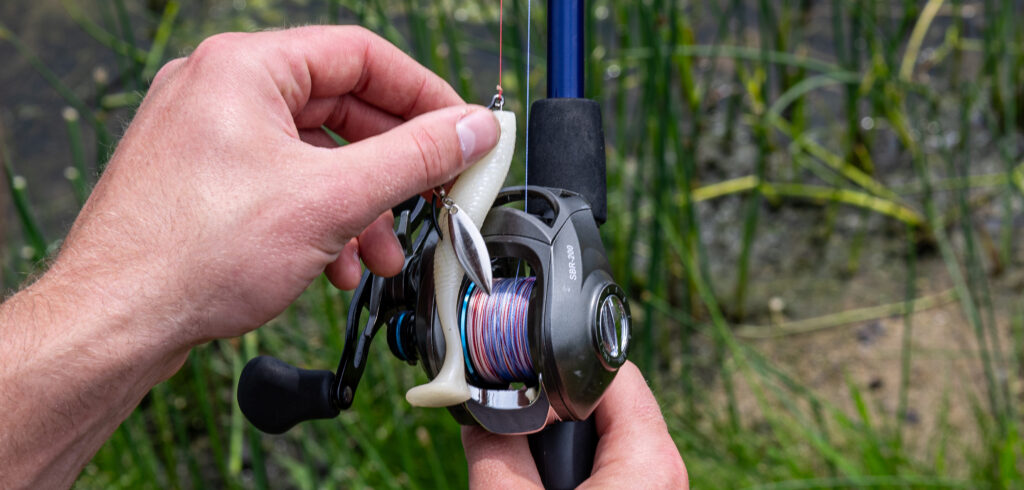
Visibility depends on water clarity, lighting conditions, line color, and fish behavior.
“Braided Line Scares Every Fish”
False.
Millions of fish are caught every year on straight braided line.
In many situations, fish simply don’t care.
“You Must Always Use a Leader”
Also false.
Leaders are helpful in clear water, but many techniques work exceptionally well with straight braid.
Frequently Asked Questions (FAQ)
Does braided line spook fish?
It can in clear water or highly pressured fisheries, but in many situations fish are more influenced by lure presentation than line visibility.
Is braided line more visible than fluorocarbon?
Yes. Braided line is generally much more visible underwater than fluorocarbon.
Should I always use a leader with braided line?
No. Leaders are recommended for clear water and finesse fishing, but many anglers fish straight braid in heavy cover and stained water.
What color braided line is least visible?
Natural green shades typically blend into vegetation better than bright colors, but fluorocarbon remains the least visible line material overall.
Does braid work well in muddy water?
Yes. In stained or muddy water, line visibility is much less important, making braid an excellent choice.
Can I catch bass on straight braid?
Absolutely. Straight braid is commonly used for frog fishing, flipping, punching, and fishing heavy vegetation where strength is more important than stealth.
Final Thoughts
So, does braided line scare fish? The answer is sometimes—but far less often than many anglers think.
While braided line visibility is higher than fluorocarbon or monofilament, it only becomes a significant factor in specific situations, such as clear water, pressured fisheries, or slow finesse presentations. In muddy water, thick vegetation, or when fishing fast-moving lures, fish are typically much more focused on the lure than the line attached to it.
The best approach is to let the conditions guide your decision. Fish straight braid when strength and sensitivity are the priorities, and add a fluorocarbon or monofilament leader when stealth becomes more important.
Understanding when visibility matters and when it doesn’t will help you choose the right setup, present your bait more effectively, and ultimately catch more fish. 🎣
Click here to buy: Braided Fishing Line
Click here to buy: Monofilament Fishing Line
Click here to buy: Fluorocarbon Fishing Line
Click here to buy: Tackle Bags

