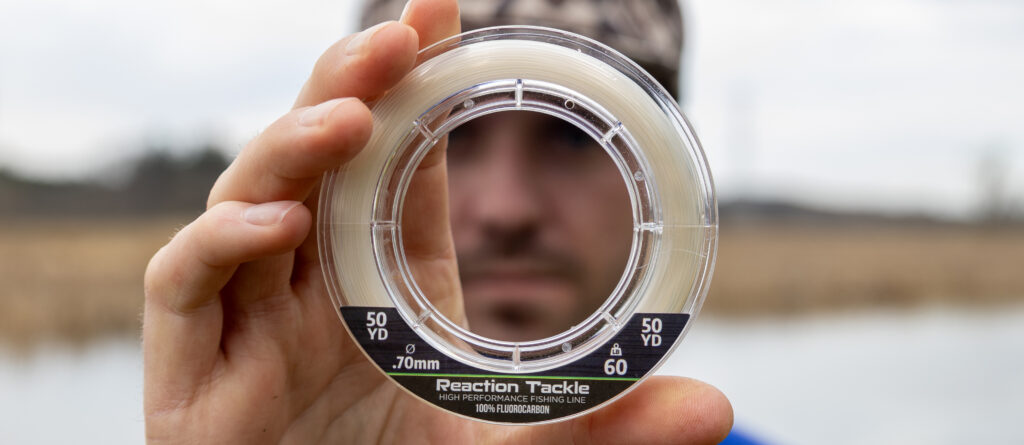
Fluorocarbon fishing line has become a go-to choice for anglers who need low visibility, sensitivity, and a line that sinks naturally. But while fluorocarbon excels in many situations, it performs best when matched with the right fishing techniques.
In this guide, we’ll break down the best fluorocarbon fishing techniques, explain why fluorocarbon works so well for them, and show you how to get the most out of this specialized fishing line.
Why Fluorocarbon Line Is Different
Fluorocarbon is made from polyvinylidene fluoride, a dense material with unique properties that affect how it behaves underwater.
Key Fluorocarbon Characteristics
- Sinks faster than mono or braid
- Low visibility underwater
- Minimal stretch compared to monofilament
- High abrasion resistance
- Excellent sensitivity
These traits make fluorocarbon ideal for bottom-contact and subsurface techniques where precision and stealth matter most.
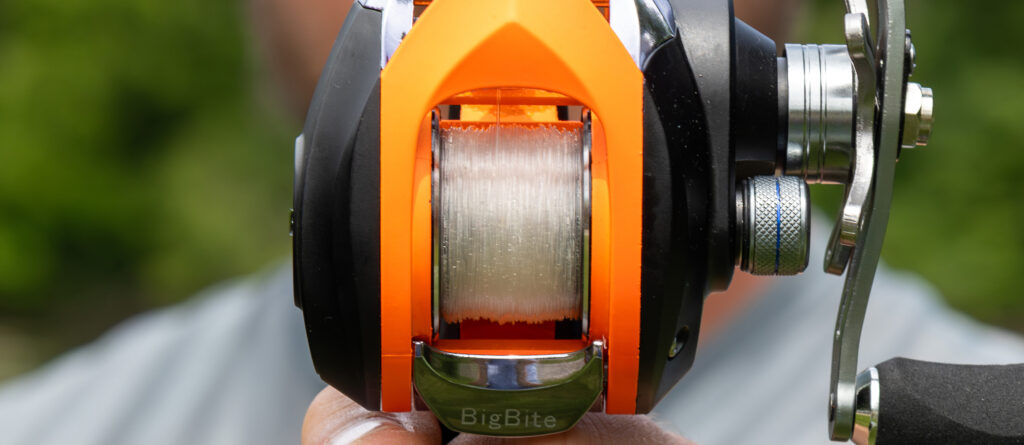
1. Texas Rig Fishing
Why fluorocarbon works:
Texas rigs rely on subtle bites and bottom contact. Fluorocarbon’s sensitivity helps detect light pickups, while its abrasion resistance protects against rocks, wood, and vegetation.
Best practices:
- Use heavier pound test in cover
- Maintain steady bottom contact
- Watch line movement closely
2. Jig Fishing
Why fluorocarbon works:
Jig bites are often light and quick. Fluorocarbon transmits subtle pressure changes better than mono while still offering controlled stretch.
Best practices:
- Pair with a fast-action rod
- Keep line semi-slack to detect pressure bites
- Set the hook with a firm sweep
3. Drop Shot Fishing
Why fluorocarbon works:
Stealth is critical in drop shot fishing, especially in clear water. Fluorocarbon’s low visibility allows natural presentations, while its sinking nature keeps the bait in the strike zone.
Best practices:
- Use lighter pound test
- Keep leader length consistent
- Avoid overworking the bait
4. Ned Rig Fishing
Why fluorocarbon works:
Ned rigs depend on finesse and realism. Fluorocarbon allows slow, bottom-hugging presentations without excessive line bow.
Best practices:
- Light line improves action
- Let the bait do the work
- Maintain bottom contact
5. Crankbait Fishing (Mid-Depth to Deep)
Why fluorocarbon works:
Fluorocarbon sinks, helping crankbaits reach their maximum running depth faster and stay there longer.
Best practices:
- Match pound test to desired depth
- Use moderate-action rods
- Keep steady retrieve speed
6. Jerkbait Fishing (Subsurface)
Why fluorocarbon works:
Fluorocarbon helps jerkbaits suspend properly and reduces line drag that can pull the bait upward.
Best practices:
- Use lighter line for neutral buoyancy
- Vary pause lengths
- Watch for slack-line strikes
7. Carolina Rig Fishing
Why fluorocarbon works:
Carolina rigs benefit from fluorocarbon leaders due to abrasion resistance and invisibility near the bait.
Best practices:
- Longer leaders in clear water
- Heavier main line if fishing structure
- Maintain constant bottom feel
8. Shaky Head Fishing
Why fluorocarbon works:
This finesse technique requires constant bottom contact and subtle movement—perfect for fluorocarbon’s sensitivity and sinking properties.
Best practices:
- Light pound test
- Slow retrieve
- Focus on line feel
9. Wacky Rig Fishing (Subsurface)
Why fluorocarbon works:
Fluorocarbon allows the bait to fall naturally without floating line interference.
Best practices:
- Watch the line on the fall
- Avoid overpowering the hookset
- Keep slack controlled
10. Swimbaits (Small to Medium)
Why fluorocarbon works:
For subsurface swimbaits, fluorocarbon helps maintain depth and improves feel without excessive stretch.
Best practices:
- Match line strength to bait size
- Steady retrieve
- Avoid jerky movements
When NOT to Use Fluorocarbon Line
Fluorocarbon is not ideal for every situation.
Avoid fluorocarbon when:
- Fishing topwater lures (it sinks)
- Fishing heavy vegetation with no leader
- Needing maximum shock absorption
- Using spinning gear with very light line (line memory issues)
Fluorocarbon Main Line vs Fluorocarbon Leader
Many anglers use fluorocarbon as:
- Main line on baitcasting reels
- Leader material when paired with braid
Leader setups combine:
- Sensitivity of braid
- Stealth of fluorocarbon
Tips for Getting the Most from Fluorocarbon
- Use proper knots designed for fluorocarbon
- Wet knots thoroughly before tightening
- Store line away from heat and sunlight
- Replace when abrasion or memory increases
Frequently Asked Questions (FAQ)
What are the best fluorocarbon fishing techniques?
Texas rigs, jigs, drop shots, Ned rigs, crankbaits, jerkbaits, shaky heads, and Carolina rigs are among the best fluorocarbon fishing techniques.
Is fluorocarbon better than monofilament?
Fluorocarbon offers better sensitivity, abrasion resistance, and invisibility, while monofilament provides more stretch and buoyancy.
Can you use fluorocarbon on spinning reels?
Yes, but lighter pound tests and proper line management are important to reduce memory and line twist.
Why does fluorocarbon sink?
Fluorocarbon is denser than water, which helps baits reach depth faster and maintain bottom contact.
Should I use fluorocarbon as a leader or main line?
Both work. Use it as a leader for stealth with braid or as a main line for sensitivity and abrasion resistance.
How often should fluorocarbon line be replaced?
Replace it when you notice abrasion, excessive memory, or reduced knot strength.
Final Thoughts
Fluorocarbon fishing techniques shine when stealth, sensitivity, and bottom contact matter. Understanding when and how to use fluorocarbon gives you a clear advantage—especially in pressured or clear water conditions.
Match fluorocarbon to the right techniques, and it becomes one of the most effective tools in your fishing setup.
Click here to buy: Braided Fishing Line
Click here to buy: Monofilament Fishing Line
Click here to buy: Fluorocarbon Fishing Line
Click here to buy: Tackle Bags
