Keywords: when to use fluorocarbon, fluorocarbon for bass, fishing line guide
Search intent: Educational, beginner-to-intermediate anglers comparing line types
Choosing the right fishing line can directly affect how many bites you get and how many fish you land. Fluorocarbon fishing line has exploded in popularity over the last decade, especially among bass anglers—but it isn’t always the best choice. This guide breaks down exactly when to use fluorocarbon line, when to avoid it, and how to get the most out of it on the water.
What Is Fluorocarbon Fishing Line?
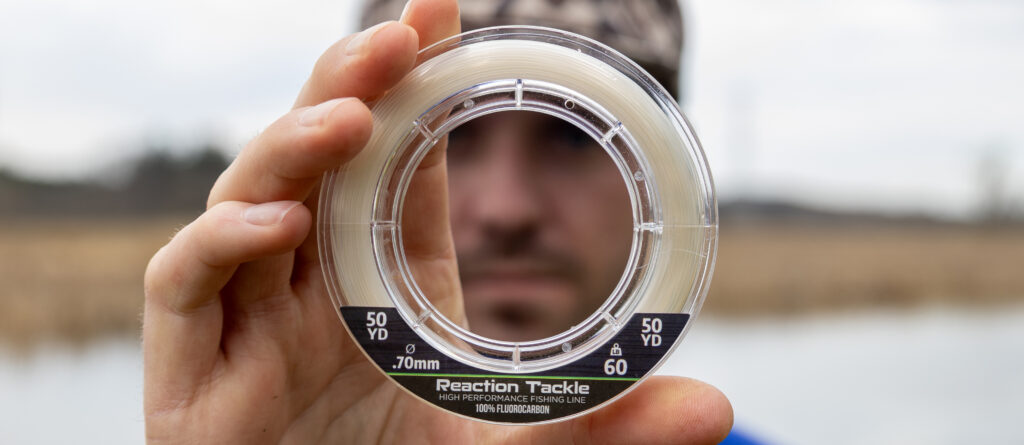
Fluorocarbon line is made from polyvinylidene fluoride (PVDF), a dense material that behaves very differently from monofilament and braided line.
Key characteristics:
- Nearly invisible underwater
- Sinks instead of floats
- More abrasion resistant than mono
- Less stretch than mono (but more than braid)
- Stiffer than most monofilaments
These properties make fluorocarbon excel in specific fishing situations—and struggle in others.
Best Situations to Use Fluorocarbon Line
1. Clear Water Conditions
If you’re fishing clear lakes, reservoirs, or pressured fisheries, fluorocarbon shines.
Why it works:
- Its refractive index is close to water, making it much harder for fish to see
- Ideal for finicky or line-shy bass
Best techniques:
- Drop shots
- Ned rigs
- Wacky rigs
- Finesse jigs
2. Bottom-Contact Lures
Fluorocarbon’s density causes it to sink, improving sensitivity when fishing along the bottom.
Why it works:
- Maintains better contact with the lure
- Transmits subtle bites and bottom composition
- Keeps slack out of the line
Best techniques:
- Texas rigs
- Football jigs
- Carolina rigs
- Shaky heads
3. Fishing Around Rocks, Wood, and Cover
Fluorocarbon is significantly more abrasion resistant than monofilament.
Why it works:
- Holds up better against rocks, docks, brush, and laydowns
- Reduces break-offs when fish dig into cover
Best techniques:
- Jigs around structure
- Texas rigs in wood
- Dragging baits over rock piles
4. Cold Water Fishing
In colder water, bass often bite lighter and move less aggressively.
Why it works:
- Reduced stretch improves hook penetration on subtle bites
- Better sensitivity helps detect soft pressure bites
Best seasons:
- Late fall
- Winter
- Early spring
5. Leader Material (Especially With Braid)
Even if you don’t want fluorocarbon on your reel, it excels as a leader.
Why it works:
- Adds invisibility to highly visible braided line
- Improves abrasion resistance near the bait
- Maintains sensitivity
Common setups:
- Braid main line + fluorocarbon leader for spinning reels
- Braid-to-fluoro leaders for finesse bass fishing
When NOT to Use Fluorocarbon Line
1. Topwater Fishing
Fluorocarbon sinks, which works against many topwater presentations.
Why to avoid it:
- Pulls walking baits down
- Reduces action on poppers and frogs
- Can cause missed strikes
Better options:
- Monofilament
- Braided line (especially for frogs)
2. Heavy Cover With Treble Hooks
Fluorocarbon’s reduced stretch can work against you with treble-hook baits.
Why to avoid it:
- Less forgiveness during surging runs
- Can lead to pulled hooks
Better options:
- Monofilament for crankbaits
- Braid with mono leader in some cases
3. Beginners Struggling With Backlashes
Fluorocarbon is stiffer and less forgiving on baitcasters.
Why it’s difficult:
- Higher memory
- More prone to backlash if not dialed in
- Requires proper reel tension and braking
Beginner-friendly alternatives:
- Monofilament
- Braid with a leader
4. Extremely Shallow or Floating Presentations
If you need your line to stay high in the water column, fluorocarbon works against you.
Avoid for:
- Weightless plastics fished high
- Floating jerkbaits
- Slow-falling presentations
Fluorocarbon vs Monofilament vs Braid (Quick Breakdown)
- Best for: Clear water, bottom contact, finesse
- Weaknesses: Stiffness, sinking line
- Best for: Topwater, crankbaits, beginners
- Weaknesses: Stretch, lower sensitivity
- Best for: Heavy cover, frogs, long casts
- Weaknesses: Visibility, abrasion near structure
How to Get the Most Out of Fluorocarbon Line
- Use the correct pound test for the technique
- Stretch new line before fishing to reduce memory
- Keep your reel properly tuned
- Retie often when fishing around cover
- Store reels out of heat and sunlight
Frequently Asked Questions (FAQ)
Is fluorocarbon line good for bass fishing?
Yes. Fluorocarbon is one of the best choices for bass fishing, especially for clear water, bottom-contact baits, and finesse techniques.
When should I use fluorocarbon instead of braid?
Use fluorocarbon when invisibility and abrasion resistance matter more than raw strength—such as finesse fishing or fishing pressured bass.
Can fluorocarbon be used on spinning reels?
Yes, but lighter pound tests (6–10 lb) perform best. Many anglers prefer braid with a fluorocarbon leader on spinning gear.
Why is fluorocarbon more expensive?
Fluorocarbon costs more to manufacture and offers specialized performance benefits like invisibility and abrasion resistance.
Does fluorocarbon line sink?
Yes. Fluorocarbon sinks faster than mono, which is why it excels for bottom-contact techniques.
Is fluorocarbon better than monofilament?
It depends on the situation. Fluorocarbon is better for sensitivity and invisibility, while monofilament is better for topwater and moving baits.
Final Thoughts
Fluorocarbon fishing line is a powerful tool—but only when used in the right situations. Understanding when to use fluorocarbon and when not to can dramatically improve your hookup ratio, bait presentation, and confidence on the water. Match the line to the technique, and you’ll get the most out of every cast.
- Click here to buy: Braided Fishing Line
- Click here to buy: Monofilament Fishing Line
- Click here to buy: Fluorocarbon Fishing Line
- Click here to buy: Tackle Bags
