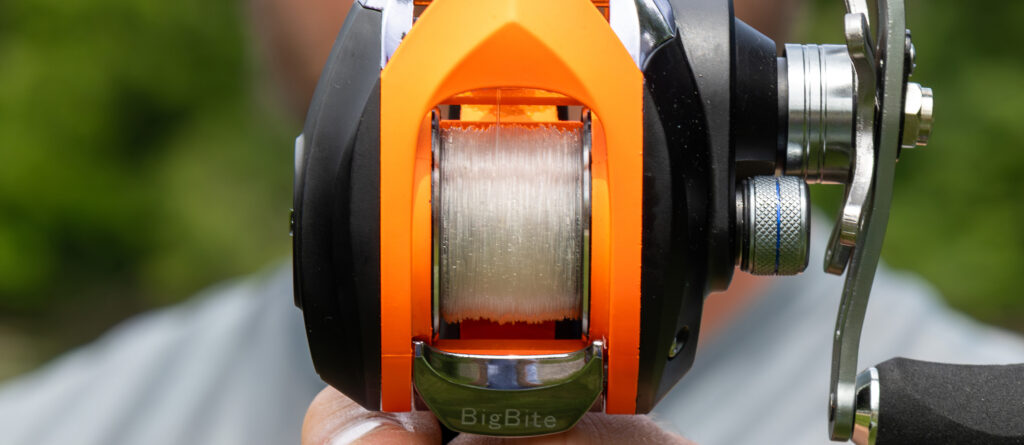
Keywords targeted: fluorocarbon leader setup, braid to fluoro leader, leader knots, fluorocarbon leader vs mono, how long should a fluorocarbon leader be
Fluorocarbon leaders have become a staple in modern fishing setups, especially as braided main lines have grown in popularity. Whether you’re targeting bass, walleye, trout, or inshore saltwater species, understanding why fluorocarbon leaders work, when to use them, and how to rig them properly can dramatically improve your hookup ratio and reduce lost fish.
This guide breaks down everything anglers need to know about fluorocarbon leaders—from underwater visibility to the best knots and ideal leader lengths—so you can make confident, informed decisions on the water.
What Is a Fluorocarbon Leader?
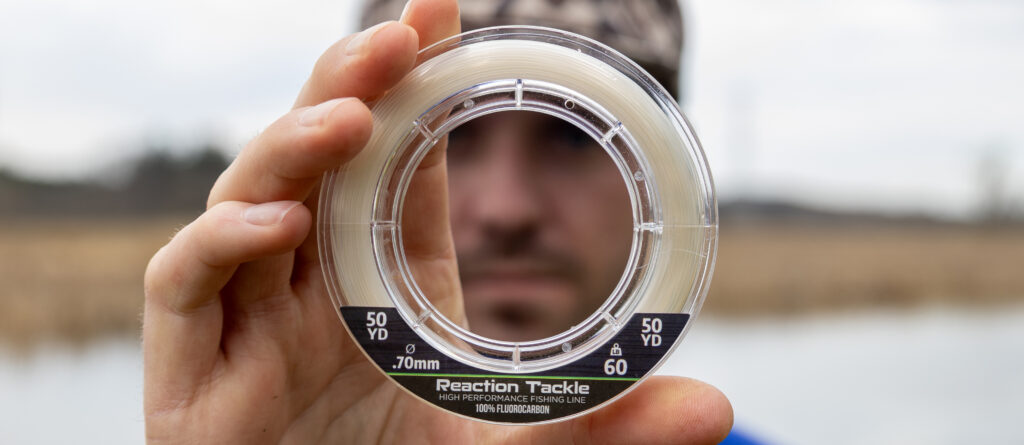
A fluorocarbon leader is a length of fluorocarbon line tied between your main line (often braided) and your lure or hook. Unlike monofilament, fluorocarbon is made from polyvinylidene fluoride, giving it unique properties that make it especially effective underwater.
Key Characteristics of Fluorocarbon Leaders:
- Near-invisible underwater
- Higher abrasion resistance than mono
- Low stretch compared to monofilament
- Higher density (sinks faster)
- Excellent sensitivity
These traits make fluorocarbon leaders ideal for clear water, pressured fish, and structure-heavy environments.
Why Use a Fluorocarbon Leader?
1. Reduced Visibility
Fluorocarbon has a refractive index close to that of water, meaning light passes through it similarly. This makes it much harder for fish to see compared to braid or mono—especially important in clear water or during finesse presentations.
2. Abrasion Resistance
Fishing around rocks, docks, wood, zebra mussels, or coral can shred braided line quickly. Fluorocarbon leaders provide a tough buffer zone that resists nicks and break-offs.
3. Improved Sensitivity
While braid is the most sensitive main line available, fluorocarbon transmits subtle bites better than monofilament when used as a leader, especially on slack-line techniques like drop shotting or dragging jigs.
4. Better Lure Action
Because fluorocarbon sinks and is stiffer than mono, it allows certain lures—like jerkbaits, soft plastics, and jigs—to behave more naturally underwater.
When Should You Use a Fluorocarbon Leader?
Fluorocarbon leaders aren’t always mandatory, but there are specific scenarios where they shine.
Best Situations for Fluorocarbon Leaders
- Clear or ultra-clear water
- Heavily pressured fisheries
- Bottom-contact techniques
- Fishing around rocks, wood, or metal
- Cold water when fish are line-shy
- Finesse applications
Situations Where You Might Skip It
- Heavy vegetation (straight braid often performs better)
- Topwater fishing (fluorocarbon sinks)
- Muddy or extremely stained water
- When maximum shock absorption is needed (mono may be better)
Braid to Fluorocarbon Leader: Why This Combo Works So Well
One of the most popular modern setups is braid main line connected to a fluorocarbon leader. This combination offers the best of both worlds.
Benefits of Braid to Fluoro Leader Setups
- Maximum casting distance
- Incredible sensitivity
- Reduced line visibility near the lure
- Improved abrasion resistance at the business end
- Better line management on spinning reels
This setup is especially effective for bass, walleye, panfish, trout, and inshore species.
How to Set Up a Fluorocarbon Leader
Step 1: Choose the Right Leader Strength
A general rule:
- Light finesse: 4–8 lb
- Medium finesse: 8–12 lb
- Power fishing: 12–20 lb
- Inshore saltwater: 20–40 lb
Match your leader strength to the cover, target species, and lure size—not just your main line.
Step 2: Determine Leader Length
Leader length depends on technique:
- Short leader (12–24 inches): Heavy cover, frequent re-tying
- Medium leader (3–6 feet): Most bass and walleye applications
- Long leader (6–10 feet): Ultra-clear water, finesse fishing
For spinning gear, many anglers prefer leaders long enough to reel onto the spool.
Best Leader Knots for Fluorocarbon
Choosing the right knot is critical, especially when tying braid to fluoro.
Top Braid-to-Fluoro Leader Knots
- FG Knot – Slim, extremely strong, best for long leaders
- Alberto Knot – Easier to tie, great strength-to-size ratio
- Double Uni Knot – Simple and reliable, slightly bulkier
Best Fluoro-to-Lure Knots
- Palomar Knot
- Improved Clinch Knot
- San Diego Jam Knot
Always lubricate knots and cinch them slowly to avoid heat damage.
Fluorocarbon Leader vs Monofilament Leader
| Feature | Fluorocarbon | Monofilament |
|---|---|---|
| Visibility | Very low | Moderate |
| Abrasion resistance | High | Moderate |
| Stretch | Low | High |
| Buoyancy | Sinks | Floats |
| Sensitivity | High | Lower |
Monofilament leaders still have a place—especially for topwater or when shock absorption is needed—but fluorocarbon dominates in most subsurface applications.
Common Mistakes Anglers Make with Fluorocarbon Leaders
- Using leaders that are too heavy for clear water
- Tying improper knots for braid-to-fluoro connections
- Not checking leaders for abrasion frequently
- Using fluorocarbon for topwater presentations
- Cutting leaders too short too often
Avoiding these mistakes can dramatically improve landing percentages.
Final Thoughts
Fluorocarbon leaders have earned their place as a go-to tool for modern anglers. When paired correctly with braided main line and tied using the right knots, they offer unmatched stealth, sensitivity, and durability. Understanding why, when, and how to use fluorocarbon leaders allows you to adapt to conditions and fish smarter—no matter the species or season.
Frequently Asked Questions (FAQ)
How long should a fluorocarbon leader be?
Most anglers use 3–6 feet. Clear water or finesse fishing may require longer leaders, while heavy cover often calls for shorter ones.
Is fluorocarbon better than monofilament for leaders?
In most subsurface situations, yes. Fluorocarbon offers better invisibility, abrasion resistance, and sensitivity.
What knot is best for braid to fluorocarbon leader setups?
The FG knot is widely considered the strongest and slimmest option. The Alberto knot is a close second and easier to tie.
Should I always use a fluorocarbon leader with braid?
Not always. In heavy vegetation or muddy water, straight braid can be more effective.
Does fluorocarbon leader affect lure action?
Yes—in a good way for most subsurface lures. Fluorocarbon helps lures sink naturally and improves bottom contact feel.
Can fluorocarbon leaders break easier?
If tied improperly or cinched too fast, fluorocarbon can weaken. Proper knot tying and lubrication prevent this issue.
- Click here to buy: Braided Fishing Line
- Click here to buy: Monofilament Fishing Line
- Click here to buy: Fluorocarbon Fishing Line
- Click here to buy: Tackle Bags
