A poorly organized tackle bag doesn’t just slow you down—it costs fish. Missed bites, rushed lure changes, wasted casts, and broken gear often trace back to tackle bag mistakes anglers don’t realize they’re making.
Whether you fish from the bank, a boat, or a kayak, how you pack and organize your tackle bag directly affects your efficiency, confidence, and success on the water. This guide breaks down the most common tackle bag mistakes and shows how to fix them.
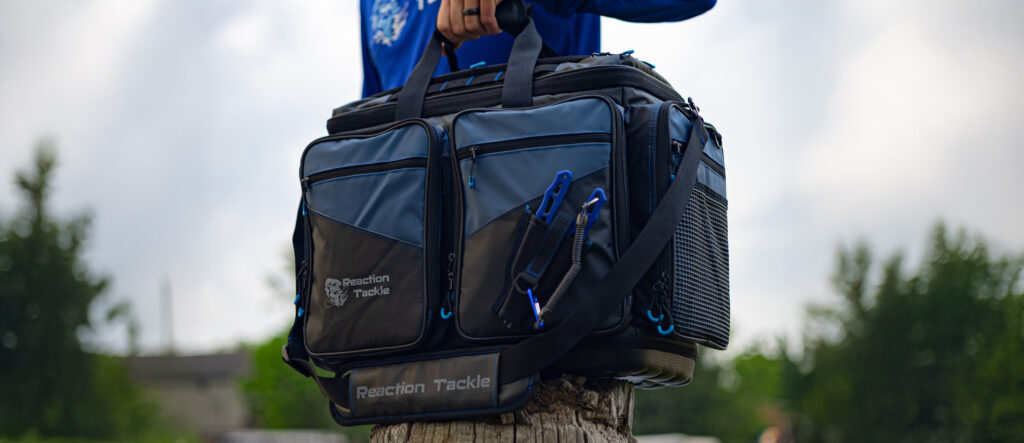
Why Your Tackle Bag Setup Matters More Than You Think
Every second on the water counts. Fish move, conditions change, and windows of opportunity can be short. When you’re digging through clutter, re-tying broken line, or realizing you forgot a key lure, you’re not fishing—you’re scrambling.
A smart tackle bag:
- Speeds up lure changes
- Keeps gear protected
- Reduces mental fatigue
- Helps you adapt quickly
A bad one does the opposite.
1. Carrying Too Much Tackle
Mistake: Stuffing every lure you own into one bag.
Overloaded tackle bags slow decision-making and make it harder to find what you need. Too many options often lead to hesitation instead of confidence.
Fix:
Pack for the trip, not your entire collection.
- Match tackle to season and target species
- Limit duplicates
- Focus on confidence baits
2. Poor Tackle Organization
Mistake: Tossing lures, tools, and line into random pockets.
Disorganized gear wastes time and increases frustration, especially during hot bites.
Fix:
Use a system:
- Hard baits in labeled boxes
- Soft plastics grouped by type
- Tools in dedicated compartments
- Line and leaders separated and protected
3. Ignoring Fishing Line and Leader Storage
Mistake: Loose spools rolling around or leaders tangled in pockets.
Damaged or kinked line leads to break-offs, lost fish, and re-tying at the worst possible moments.
Fix:
- Store line spools flat and secure
- Keep leaders in sleeves or wallets
- Carry backup leader material
4. Not Carrying the Right Tools
Mistake: Forgetting essentials like cutters, pliers, or hook removers.
Without proper tools, simple tasks take longer and can even end trips early.
Fix:
Always include:
- Line cutters or scissors
- Pliers
- Hook remover
- Small towel or rag
5. Mixing Soft Plastics Incorrectly
Mistake: Combining different soft plastics in the same bag.
Some plastics react chemically, causing melting, warping, or ruined baits.
Fix:
- Keep plastics in original packaging
- Separate by material and color
- Store scented baits separately
6. Carrying Old, Rusted, or Broken Tackle
Mistake: Holding onto damaged hooks, split rings, or corroded baits.
Old gear leads to missed hooksets and lost fish when it matters most.
Fix:
- Regularly inspect tackle
- Replace rusted hooks
- Remove damaged baits after each trip
7. Not Adjusting Your Tackle Bag for Conditions
Mistake: Using the same tackle setup year-round.
Seasonal changes affect fish behavior, lure selection, and presentation.
Fix:
Build seasonal kits:
- Spring: finesse and reaction baits
- Summer: topwater and heavy cover
- Fall: moving baits
- Winter: compact finesse lures
8. Forgetting Terminal Tackle
Mistake: Running out of hooks, weights, or swivels.
Terminal tackle failures stop you from adapting on the water.
Fix:
Carry a small terminal box with:
- Assorted hooks
- Weights
- Snaps or swivels
9. Overlooking Comfort and Accessibility
Mistake: Choosing a bag that’s uncomfortable or awkward to access.
If your tackle bag slows movement or causes fatigue, you’ll fish less effectively.
Fix:
- Choose a bag that fits your fishing style
- Prioritize quick-access compartments
- Balance weight distribution
10. Skipping Post-Trip Maintenance
Mistake: Leaving tackle wet and uninspected after fishing.
Moisture leads to rust, mold, and damaged gear.
Fix:
After every trip:
- Air-dry tackle
- Wipe tools
- Re-organize and restock
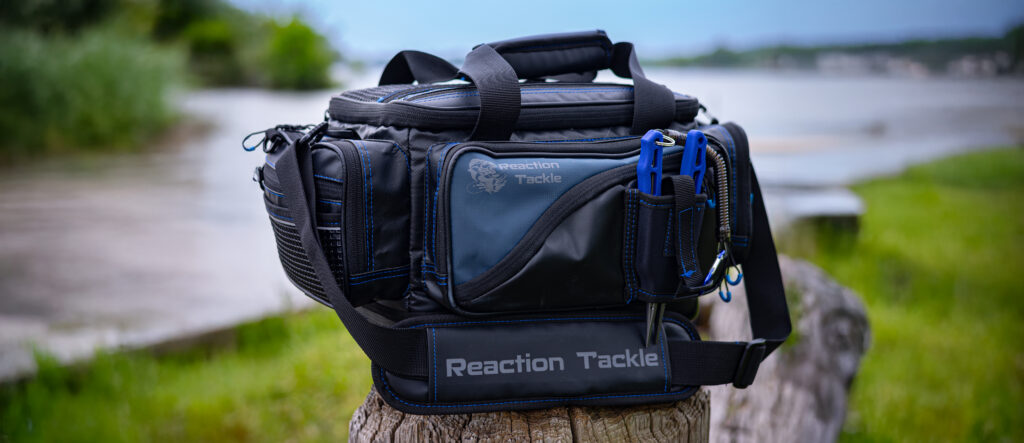
How a Better Tackle Bag Setup Helps You Catch More Fish
Avoiding these tackle bag mistakes leads to:
- Faster lure changes
- Fewer lost fish
- More confidence
- Better focus on fishing—not gear
Efficiency on the water translates directly to success.
Frequently Asked Questions (FAQ)
What are the most common tackle bag mistakes?
Overpacking, poor organization, neglecting line storage, carrying damaged gear, and failing to adapt tackle to conditions.
How much tackle should I carry in my bag?
Only what you need for the trip. Focus on confidence baits and techniques suited to the season and water.
How should fishing line be stored in a tackle bag?
Keep spools flat and secure, avoid heat and sunlight, and store leaders separately to prevent tangles.
Should I keep soft plastics in their original packaging?
Yes. Original packaging prevents chemical reactions and keeps baits in good condition.
How often should I clean and reorganize my tackle bag?
After every trip for quick maintenance and a full reorganization at least once per season.
Does tackle bag organization really affect fishing success?
Yes. Faster access, better gear condition, and reduced stress all improve focus and efficiency, leading to more fish.
Final Thoughts
Your tackle bag is more than storage—it’s a tool. Avoiding these common tackle bag mistakes saves time, protects gear, and helps you stay focused when the bite is on. A well-organized tackle bag doesn’t just make fishing easier—it helps you fish smarter.
Click here to buy: Braided Fishing Line
Click here to buy: Monofilament Fishing Line
Click here to buy: Fluorocarbon Fishing Line
Click here to buy: Tackle Bags
