If you’ve ever wondered why your lure behaves differently depending on the line you use, the answer often comes down to one key factor: whether your fishing line sinks or floats.
Among all line types, fluorocarbon sinking line stands out for its ability to get baits deeper, improve sensitivity, and create a more natural presentation. But why does fluorocarbon sink—and more importantly, how does that impact your fishing?
This guide breaks down the science, the advantages, and exactly when fluorocarbon gives you a real edge on the water.
Why Does Fluorocarbon Sink?
Fluorocarbon sinks because it is denser than water.
Unlike monofilament and braided line, fluorocarbon is made from a material that has a higher specific gravity, meaning it naturally pulls downward in the water column instead of floating or suspending.
What This Means Practically:
- Your line doesn’t sit on the surface
- Your bait reaches depth faster
- There’s less slack between you and your lure
This single characteristic is what makes fluorocarbon so effective in many fishing situations.
Fluorocarbon vs Other Fishing Lines (Sinking Comparison)
Understanding how fluorocarbon compares to other lines helps clarify its role.
| Line Type | Buoyancy | Behavior |
|---|---|---|
| Fluorocarbon | Sinks | Pulls bait downward |
| Monofilament | Floats (slightly) | Keeps bait higher |
| Braid | Floats | Sits on surface |
This difference has a major impact on how your lure performs.
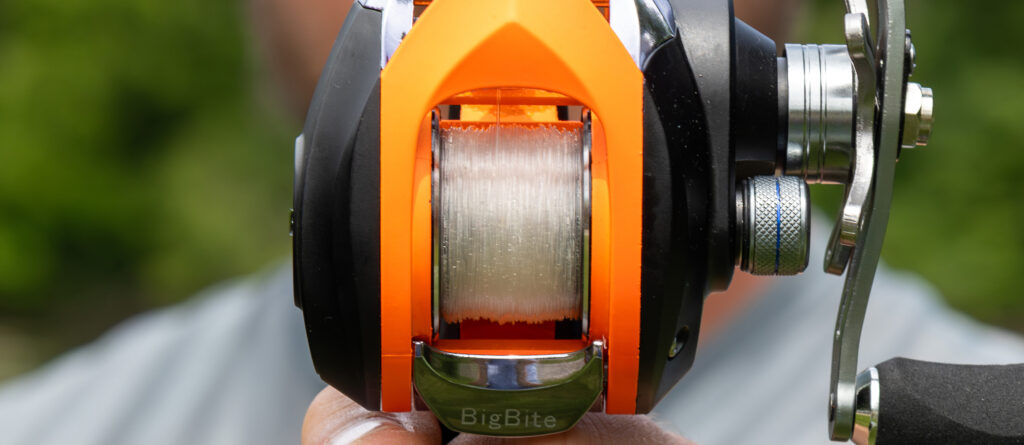
Why Fluorocarbon Sinking Line Matters
1. Gets Your Bait Deeper, Faster
Because fluorocarbon sinks, it helps:
- Crankbaits dive deeper
- Soft plastics reach the bottom quicker
- Jigs stay in the strike zone longer
This is especially important when fish are holding:
- On ledges
- Along drop-offs
- Near the bottom
2. Improves Sensitivity
With less floating slack in your line, you get:
- Better feel of structure
- Clearer detection of subtle bites
- Faster reaction time
This is critical for:
- Finesse fishing
- Bottom contact techniques
3. Creates a More Natural Presentation
A sinking line allows your bait to:
- Move naturally with gravity
- Avoid unnatural upward pull
- Stay in the fish’s strike zone longer
This can make a big difference in clear water or pressured conditions.
4. Reduces Line Visibility
Fluorocarbon is known for being:
- Less visible underwater
- Closer to the refractive index of water
Combined with its sinking nature, this creates a stealthier presentation.
Best Techniques for Fluorocarbon Sinking Line
Fluorocarbon performs best when you want your bait down, controlled, and natural.
Bottom Contact Fishing
Perfect for:
- Texas rigs
- Jigs
- Carolina rigs
Why it works:
The sinking line keeps your bait near the bottom and improves feel.
Crankbait Fishing
Fluorocarbon helps crankbaits:
- Dive deeper
- Maintain depth
- Stay in the strike zone longer
Drop Shot & Finesse Techniques
Great for:
- Subtle presentations
- Light bites
The sinking line reduces slack and increases sensitivity.
Deep Water Fishing
Ideal when targeting fish:
- Holding offshore
- Suspended near structure
- In colder water
When Fluorocarbon Sinking Line Is NOT Ideal
Despite its advantages, fluorocarbon isn’t always the best choice.
Topwater Fishing ❌
Fluorocarbon sinks, which:
- Pulls your lure downward
- Ruins surface action
Use floating line instead for topwater techniques.
Heavy Vegetation ❌
Fluorocarbon lacks the cutting power of braid.
In thick grass:
- Braid performs better
- You’ll get fewer break-offs
Situations Requiring Maximum Shock Absorption ❌
Fluorocarbon has less stretch than monofilament.
For:
- Treble hook baits
- Aggressive strikes
Mono may help keep fish pinned better.
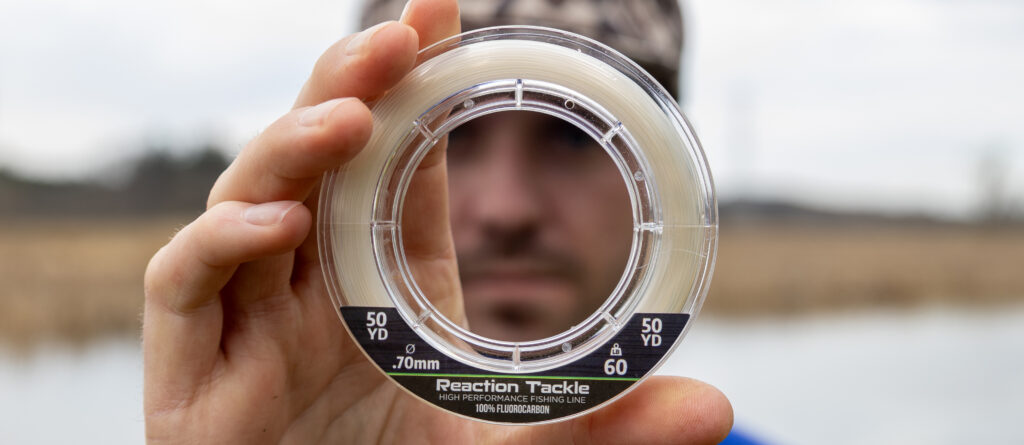
Tips for Using Fluorocarbon Effectively
Match Line Size to Depth
- Lighter line = deeper diving lures
- Heavier line = more control, less depth
Watch Your Line
Because it sinks, fluorocarbon can:
- Disappear quickly
- Make visual bite detection harder
Keep Your Line Tight
A semi-tight line maximizes:
- Sensitivity
- Hookset efficiency
Retie Often
Fluorocarbon can weaken after:
- Abrasion
- Big fish fights
Check frequently for damage.
Common Misconceptions About Fluorocarbon
“All fishing lines sink the same”
Not true—fluorocarbon is significantly denser than mono or braid.
“Sinking doesn’t matter much”
It directly impacts:
- Depth
- Sensitivity
- Presentation
“Fluorocarbon is always better”
It depends on the technique. It excels in some areas but struggles in others.
Frequently Asked Questions (FAQ)
Does fluorocarbon fishing line really sink?
Yes. Fluorocarbon is denser than water, which causes it to sink and pull your bait downward.
Why is fluorocarbon better for deep fishing?
Because it sinks, it helps your lure reach deeper water faster and stay in the strike zone longer.
Is fluorocarbon good for topwater fishing?
No. Its sinking nature negatively affects surface lure action.
Does fluorocarbon improve sensitivity?
Yes. It reduces slack and provides better contact with your bait, making it easier to detect bites.
How fast does fluorocarbon sink?
It sinks gradually—not rapidly—but enough to noticeably affect lure depth and presentation.
Should I always use fluorocarbon?
No. Use it when you need depth, sensitivity, and low visibility. Switch to mono or braid when those factors aren’t as important.
Final Thoughts
The reason fluorocarbon sinking line is so effective comes down to one simple advantage: it puts your bait exactly where fish are—and keeps it there.
By understanding how and when to use fluorocarbon, you can:
- Fish deeper more efficiently
- Detect more bites
- Present lures more naturally
And in fishing, small advantages like that often make the biggest difference.
Click here to buy: Braided Fishing Line
Click here to buy: Monofilament Fishing Line
Click here to buy: Fluorocarbon Fishing Line
Click here to buy: Tackle Bags

