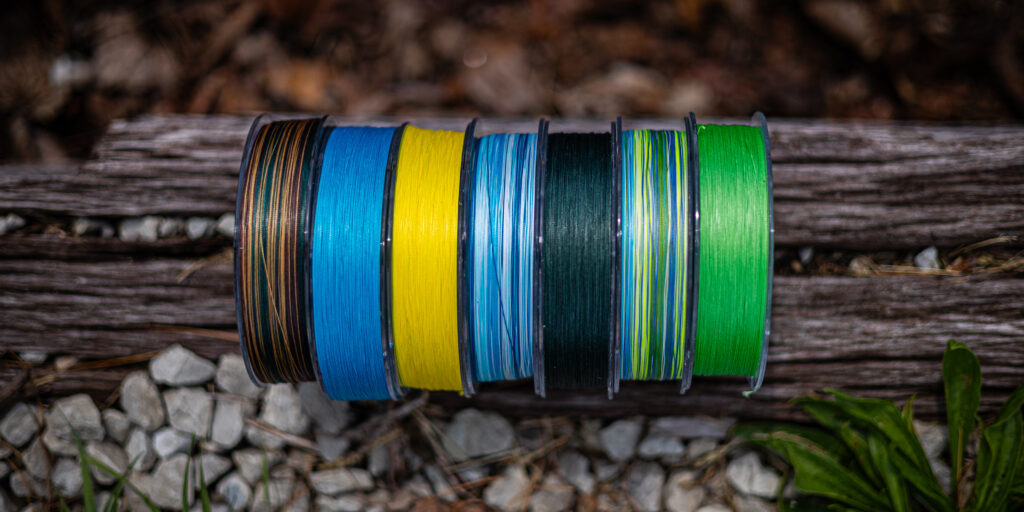
Choosing the best bass fishing line can be the difference between landing more fish or losing them at the boat. Among all the options available, the debate between braided vs mono remains one of the most important decisions anglers face.
Both braided line and monofilament have proven track records—but they perform very differently depending on technique, conditions, and fishing style. In this guide, we’ll break down the key differences, strengths, and ideal uses so you can decide which line is better for your bass fishing setup.
Understanding the Basics
Before comparing braided vs mono, it’s important to understand how each line behaves.
What Is Braided Fishing Line?
Braided line is made by weaving multiple fibers together, creating a line that is:
- Extremely strong for its diameter
- Nearly zero stretch
- Highly sensitive
- Very thin
What Is Monofilament Fishing Line?
Monofilament is a single strand of nylon known for:
- High stretch
- Ease of use
- Floating properties
- Versatility
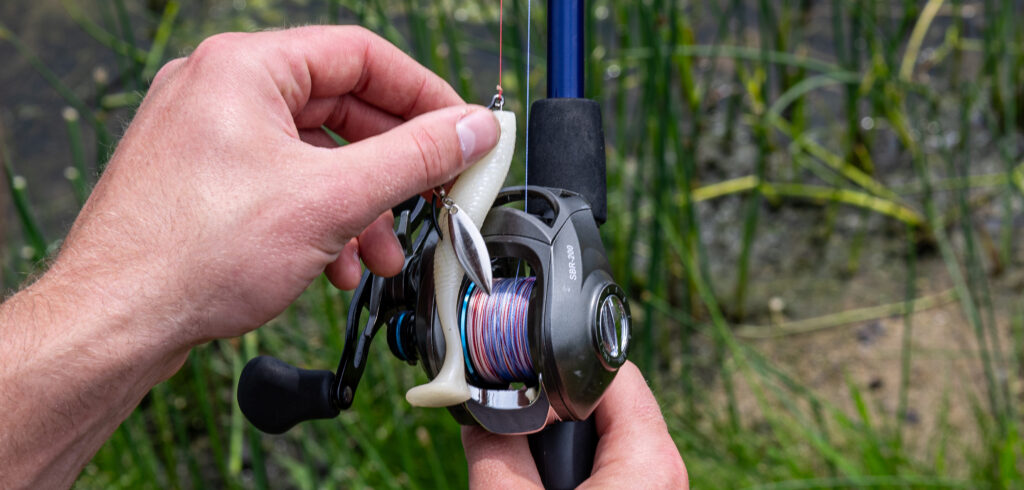
Braided vs Mono: Key Differences for Bass Fishing
1. Sensitivity
Winner: Braided
Braid has almost no stretch, allowing you to:
- Feel subtle bites
- Detect bottom structure
- React quickly
Mono, with its stretch, reduces sensitivity—especially in deeper water.
2. Hookset Power
Winner: Braided
Braid transfers energy instantly, making it ideal for:
- Thick cover
- Long-distance hooksets
- Single-hook lures
Mono absorbs energy due to stretch, which can reduce hook penetration.
3. Forgiveness
Winner: Monofilament
Mono’s stretch helps:
- Prevent hooks from tearing free
- Keep fish pinned during jumps
- Reduce break-offs
This is especially helpful with treble-hook baits.
4. Line Visibility
Winner: Monofilament
Mono is less visible than braid, especially in:
- Clear water
- Pressured fisheries
Braid may require a leader to improve stealth.
5. Strength-to-Diameter Ratio
Winner: Braided
Braid is much thinner for the same strength, allowing:
- Longer casts
- Better lure action
- Increased reel capacity
6. Durability
Winner: Braided
Braid lasts longer and resists wear better than mono, which can degrade from UV exposure and use.
Best Bass Fishing Line by Technique
Choosing between braided vs mono often comes down to technique.
Topwater Fishing
Best Choice: Monofilament
- Floats naturally
- Stretch prevents pulled hooks
- Ideal for poppers and walking baits
Frog Fishing (Heavy Cover)
Best Choice: Braided
- Cuts through vegetation
- Strong hooksets
- Handles thick grass and pads
Crankbaits & Reaction Baits
Best Choice: Monofilament
- Stretch improves landing ratio
- Keeps fish hooked on treble hooks
Jig & Texas Rig Fishing
Best Choice: Braided (or braid with leader)
- Maximum sensitivity
- Strong hooksets
- Better control in cover
Finesse Fishing
Best Setup: Braid with Mono Leader
- Sensitivity from braid
- Stealth and stretch from mono
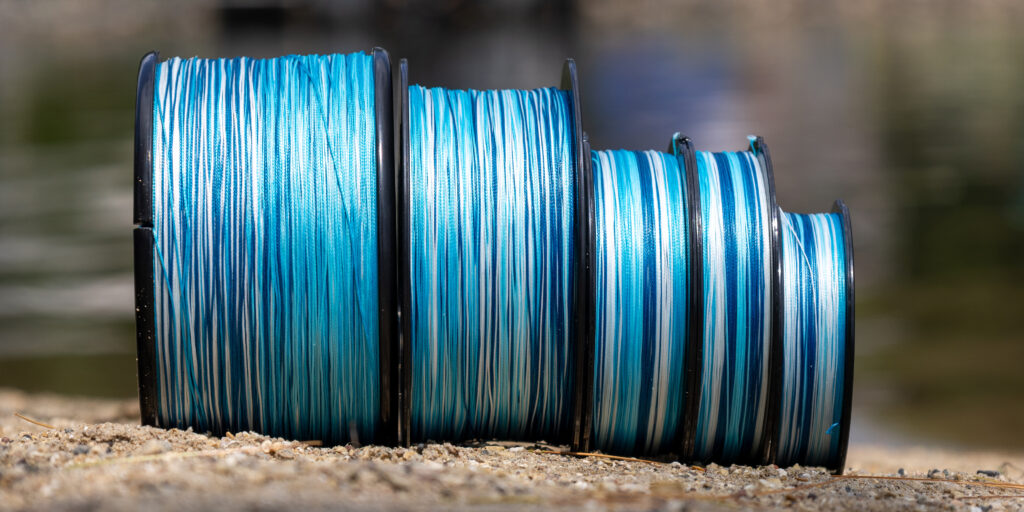
When to Use Braided Line for Bass
Use braid when:
- Fishing heavy vegetation
- Needing long casts
- Targeting deep water fish
- Wanting maximum sensitivity
When to Use Monofilament for Bass
Use mono when:
- Fishing topwater lures
- Using treble-hook baits
- Wanting forgiveness during fights
- Fishing as a beginner
Braid vs Mono: Pros and Cons
Braided Line Pros
- High sensitivity
- Strong and durable
- Thin diameter
- Excellent for heavy cover
Braided Line Cons
- Highly visible
- No stretch
- Can pull hooks free
Monofilament Pros
- Forgiving stretch
- Floats for topwater
- Easy to use
- Lower visibility than braid
Monofilament Cons
- Less sensitive
- Larger diameter
- Shorter lifespan
Which Fishing Line Is Best for Bass?
There is no single “best” answer.
- Braided line is best for power fishing, heavy cover, and sensitivity
- Monofilament is best for topwater, reaction baits, and forgiveness
Many anglers use both depending on the situation.
Frequently Asked Questions (FAQ)
Is braided line better than monofilament for bass fishing?
Braided line is better for sensitivity and heavy cover, while monofilament is better for topwater and treble-hook lures.
What is the best bass fishing line overall?
The best bass fishing line depends on your technique. Many anglers use both braid and mono for different situations.
Should beginners use braid or mono?
Monofilament is usually better for beginners because it’s easier to manage and more forgiving.
Can you use braid for all bass fishing?
You can, but it’s not always ideal. Some techniques perform better with mono or a braid-to-leader setup.
What pound test is best for bass fishing?
- 8–12 lb mono for general use
- 30–50 lb braid for heavy cover
- Adjust based on technique and conditions
Do I need a leader with braid?
In clear water, using a monofilament leader can improve stealth and performance.
Final Thoughts
The braided vs mono debate comes down to understanding when each line gives you an advantage. By matching your line choice to your technique and conditions, you’ll improve your efficiency, increase hook-up ratios, and land more bass.
The best anglers don’t rely on just one line—they choose the right line for the situation.
Click here to buy: Braided Fishing Line
Click here to buy: Monofilament Fishing Line
Click here to buy: Fluorocarbon Fishing Line
Click here to buy: Tackle Bags

