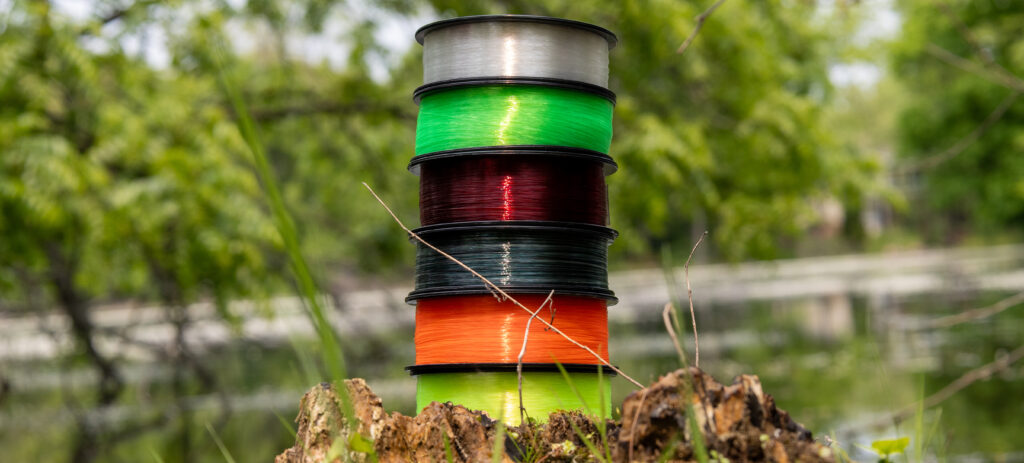
When fishing clear water, your line choice can make a significant difference in the number of bites you get. Many anglers debate fluorocarbon vs mono because both lines have strengths and weaknesses depending on the situation. Understanding how each performs in clear water can help you choose the right setup for your next trip.
Why Line Visibility Matters in Clear Water
In stained or muddy water, fish often rely more on vibration and movement than sight. In clear water, however, fish can inspect a bait much more closely. This is especially true when targeting pressured bass, trout, walleye, and other species known for being line-shy.
Because fish can see better in clear conditions, many anglers look for a clear water fishing line that minimizes visibility without sacrificing performance.
Fluorocarbon: The Clear Water Favorite
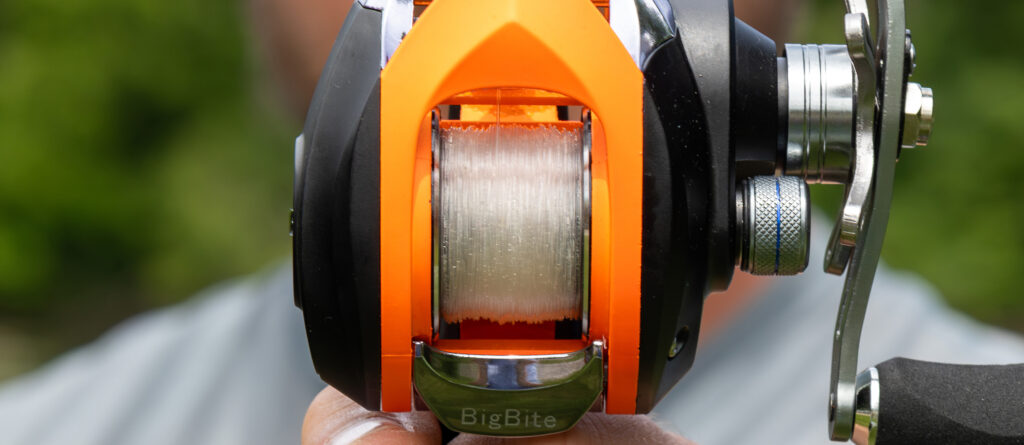
Fluorocarbon is often considered the top choice for clear water fishing. Its biggest advantage is its refractive index, which is closer to water than monofilament. This means light passes through it more naturally, making the line less visible underwater.
Benefits of Fluorocarbon
- Lower visibility in clear water
- Higher abrasion resistance around rocks and cover
- Greater sensitivity for detecting subtle bites
- Sinks faster than monofilament
- Excellent for bottom-contact presentations
These characteristics make fluorocarbon especially effective for:
- Texas rigs
- Drop shots
- Ned rigs
- Jigs
- Finesse fishing techniques
When fish are heavily pressured or conditions are extremely clear, fluorocarbon often provides an advantage.
Monofilament: A Reliable All-Around Option
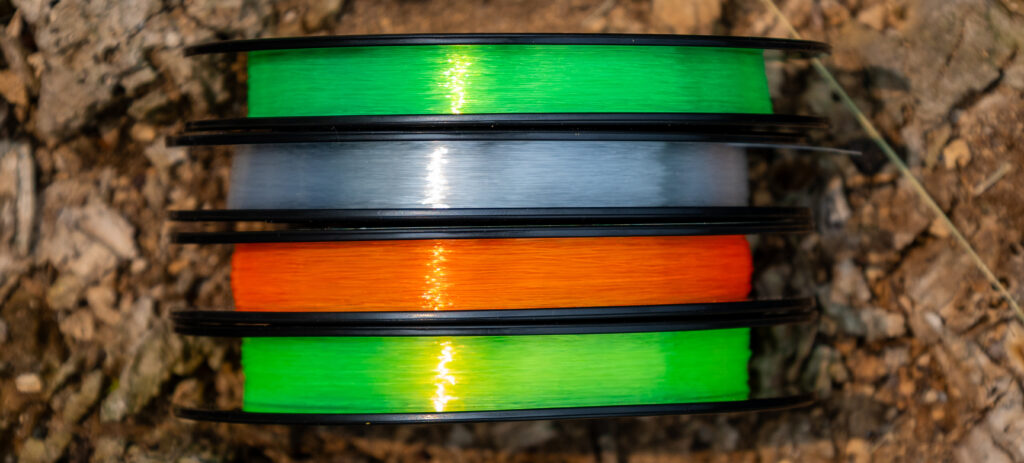
Monofilament remains one of the most popular fishing lines because it is affordable, easy to manage, and versatile.
Benefits of Monofilament
- Lower cost than fluorocarbon
- Easier knot tying
- Better shock absorption due to stretch
- Greater buoyancy
- More forgiving for beginners
Monofilament works well for:
- Topwater lures
- Crankbaits
- Live bait fishing
- General-purpose applications
While mono is slightly more visible underwater, many anglers still catch plenty of fish with it in clear conditions, especially when using lighter line sizes.
Fluorocarbon vs Mono: Side-by-Side Comparison
| Feature | Fluorocarbon | Monofilament |
|---|---|---|
| Visibility | Lower | Moderate |
| Sensitivity | Higher | Lower |
| Stretch | Less | More |
| Buoyancy | Sinks | Floats |
| Abrasion Resistance | Excellent | Good |
| Manageability | Stiffer | Easier |
| Cost | Higher | Lower |
When Fluorocarbon Is Worth the Upgrade
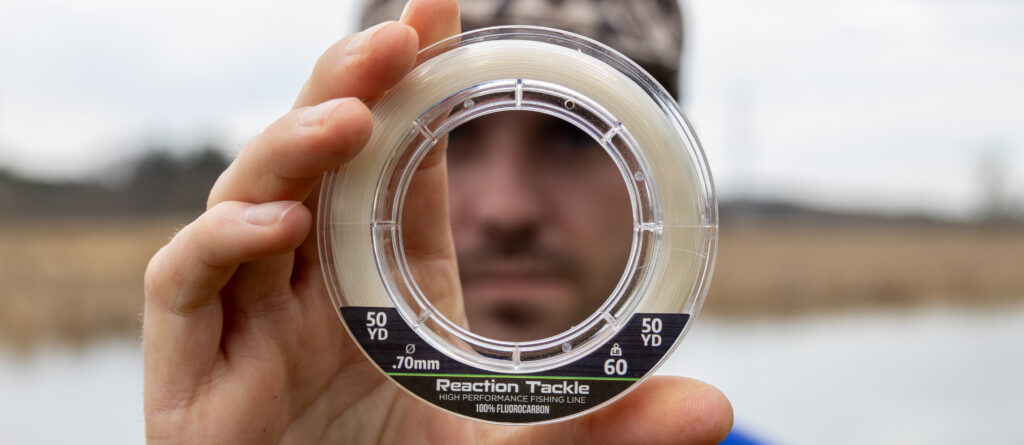
Choose fluorocarbon when:
- Water visibility exceeds several feet
- Fish are pressured and cautious
- Fishing finesse techniques
- Targeting species known to be line-shy
- Fishing around rocks, docks, or abrasive cover
In these situations, the reduced visibility and increased sensitivity can help generate more bites and improve hook-up ratios.
When Monofilament Makes More Sense
Choose monofilament when:
- Fishing topwater lures
- Working with a tight budget
- Teaching new anglers
- Needing extra stretch for reaction baits
- Fishing water where visibility is less critical
Mono’s forgiveness and ease of use make it a practical option for many everyday fishing situations.
A Popular Hybrid Approach
Many anglers use braided main line with a fluorocarbon leader. This setup combines the strength and sensitivity of braid with the low visibility of fluorocarbon near the lure.
For spinning gear, a fluorocarbon leader of 4 to 10 feet is common when fishing clear water. This approach can provide the best of both worlds while reducing overall line costs.
Final Verdict
In the fluorocarbon vs mono debate for clear water fishing, fluorocarbon generally has the advantage due to its lower visibility, higher sensitivity, and superior abrasion resistance. However, monofilament remains an effective and budget-friendly choice that excels in certain techniques, particularly topwater fishing.
If your primary goal is maximizing bites in clear water, fluorocarbon is usually the better clear water fishing line. If versatility, ease of use, and affordability matter most, monofilament still deserves a place on your reels.
Click here to buy: Braided Fishing Line
Click here to buy: Monofilament Fishing Line
Click here to buy: Fluorocarbon Fishing Line
Click here to buy: Tackle Bags

