Choosing your first fishing line can feel overwhelming. Walk into any tackle shop or browse online, and you’ll find dozens of options claiming to be the best choice. Between braided line, fluorocarbon, and monofilament, it’s easy for beginners to wonder where to start.
The truth is that while every fishing line has its place, monofilament remains one of the best fishing lines for beginners. It’s affordable, easy to use, versatile, and forgiving of the mistakes that every new angler makes.
But is monofilament always the right choice? And how does it compare to braid and fluorocarbon for someone just learning to fish?
In this guide, we’ll break down the advantages of monofilament, explain why it’s beginner-friendly, and help you decide if it’s the right line for your next fishing trip.
What Is Monofilament Fishing Line?
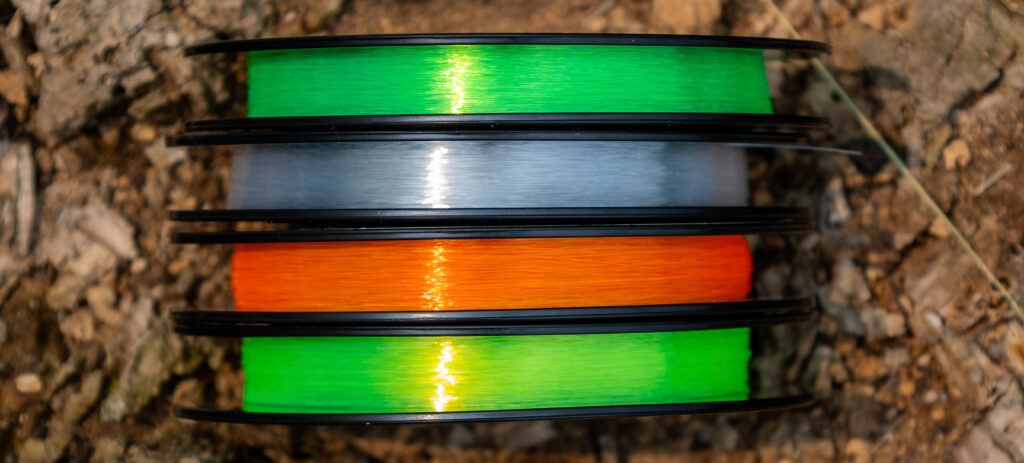
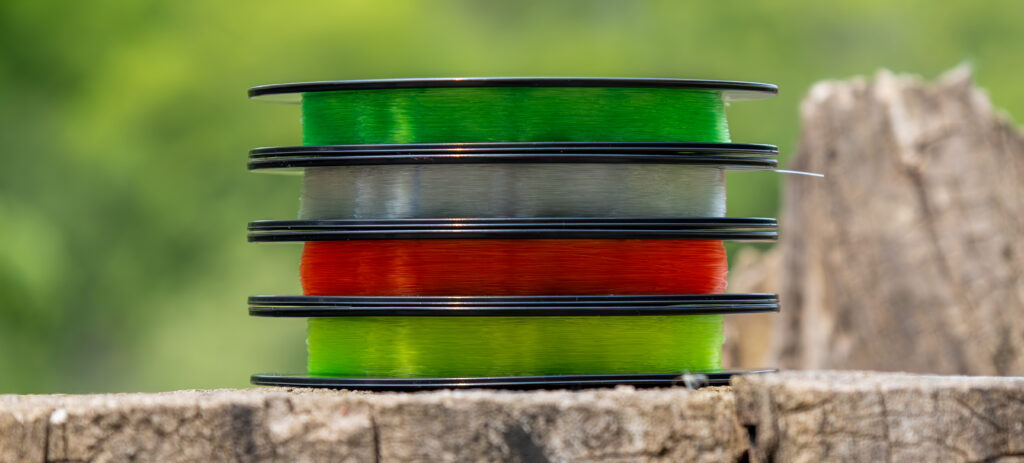
Monofilament, often called “mono,” is a single strand of nylon fishing line.
For decades, it has been one of the most widely used fishing lines in both freshwater and saltwater fishing because of its versatility and ease of use.
Some of its most recognizable characteristics include:
- Moderate stretch
- Easy knot tying
- Good shock absorption
- Floating properties
- Affordable pricing
These features make mono one of the most forgiving fishing lines available.
Why Monofilament Is Often the Best Fishing Line for Beginners
When you’re learning to fish, simplicity matters.
Monofilament helps reduce many of the frustrations that beginners commonly experience.
1. Monofilament Is Easy to Handle
One of the biggest advantages of mono is its user-friendliness.
Compared to other line types, monofilament:
- Ties easily
- Handles well on spinning reels
- Is less intimidating for new anglers
- Works with a wide variety of knots
Learning basic fishing skills is easier when your line isn’t creating additional challenges.
2. The Stretch Helps Prevent Mistakes
Every beginner sets the hook too hard at some point.
Many beginners also:
- Set their drag incorrectly
- Fight fish too aggressively
- Make sudden rod movements
Monofilament’s natural stretch acts like a shock absorber.
This extra forgiveness helps:
- Prevent pulled hooks
- Reduce break-offs
- Keep fish pinned during the fight
For beginners, this can mean landing more fish.
3. It Works for Many Fishing Techniques
Another reason mono is considered one of the best fishing lines for beginners is versatility.
Monofilament can be used effectively for:
- Bobber fishing
- Worm fishing
- Spinnerbaits
- Crankbaits
- Topwater fishing
- General freshwater fishing
Rather than buying multiple specialized lines, beginners can use one spool of mono for many situations.
4. Monofilament Is Affordable
Fishing gear can add up quickly.
Fortunately, monofilament is typically one of the most budget-friendly line options available.
This makes it easier for new anglers to:
- Experiment
- Learn line management
- Respools when needed
- Practice knot tying
Without worrying about wasting expensive line.
5. It Performs Well on Common Beginner Reels
Many beginners start with:
- Spinning reels
- Spincast reels
Monofilament performs exceptionally well on both.
Its flexibility and ease of management help reduce common problems while learning.
When Monofilament Outperforms Other Lines
There are several situations where mono remains a top choice—even for experienced anglers.
Topwater Fishing
Monofilament naturally floats.
This helps:
- Keep topwater lures working correctly
- Maintain lure action
- Prevent the line from pulling baits underwater
Treble Hook Lures
The stretch in mono helps keep fish hooked when using:
- Crankbaits
- Poppers
- Jerkbaits
- Walking baits
Too little stretch can sometimes cause fish to throw hooks.
Live Bait Fishing
Mono’s flexibility and forgiveness make it ideal for many live bait presentations.
When Beginners May Want to Try Other Lines
While monofilament is often the best starting point, there are situations where braid or fluorocarbon may offer advantages.
Braided Line
Braid provides:
- Greater sensitivity
- Longer casting distance
- Higher strength for its diameter
However, it also:
- Has little to no stretch
- Requires better drag management
- Can be less forgiving
This makes it slightly more challenging for beginners.
Fluorocarbon
Fluorocarbon offers:
- Lower visibility underwater
- Better abrasion resistance
- Increased sensitivity
But it can be:
- More expensive
- Stiffer to handle
- More difficult to manage on some reels
Many anglers transition to fluorocarbon after gaining experience.
Recommended Monofilament Pound Tests for Beginners
The right pound test depends on the species and technique.
Panfish
- 4–6 lb test
Trout
- 4–8 lb test
General Bass Fishing
- 8–12 lb test
Catfish
- 12–20 lb test
Multi-Species Freshwater Fishing
- 8–10 lb test
For most beginners, 8–10 lb monofilament is an excellent all-around starting point.
Common Beginner Fishing Line Mistakes
Even with monofilament, there are a few mistakes worth avoiding.
Overfilling the Reel
Too much line can lead to:
- Tangles
- Casting issues
- Line management problems
Using Line That Is Too Heavy
Heavy line may:
- Reduce casting distance
- Affect lure action
Choose line based on your target species and technique.
Neglecting Line Condition
Fishing line should be checked regularly for:
- Frays
- Nicks
- Abrasion
Damaged line can cost fish.
Ignoring Drag Settings
Even with forgiving monofilament, proper drag adjustment remains important.
Monofilament vs Braid for Beginners
| Feature | Monofilament | Braided Line |
|---|---|---|
| Ease of Use | Excellent | Moderate |
| Forgiveness | High | Low |
| Sensitivity | Moderate | Very High |
| Cost | Lower | Higher |
| Knot Tying | Easy | Moderate |
| Beginner Friendly | Excellent | Good |
For most new anglers, mono provides a smoother learning curve.
Frequently Asked Questions (FAQ)
What is the best fishing line for beginners?
For most anglers, monofilament is the best fishing line for beginners because it is affordable, versatile, and forgiving.
Is monofilament easier to use than braid?
Yes. Monofilament is generally easier to manage, tie, and fish with than braided line.
What pound test should a beginner use?
For general freshwater fishing, 8–10 lb monofilament is a great starting point.
Can beginners use braided line?
Absolutely. However, braid requires more attention to drag settings, knot selection, and line management.
How often should I replace monofilament?
Depending on usage and storage conditions, many anglers replace mono every season or whenever it shows signs of wear.
Is monofilament good for bass fishing?
Yes. Monofilament remains an effective choice for many bass fishing techniques, especially topwater and reaction baits.
Final Thoughts
When anglers ask about the best fishing line for beginners, monofilament continues to be one of the easiest recommendations to make.
It’s affordable, easy to handle, forgiving during fights, and versatile enough to work across countless fishing situations. While braid and fluorocarbon certainly have their advantages, mono provides a strong foundation for learning the fundamentals of fishing.
As your skills grow, you may eventually add other line types to your arsenal. But for many anglers, monofilament is where successful fishing journeys begin—and it remains a reliable option long after the beginner stage is over.
For anyone just getting started, it’s hard to go wrong with a quality spool of monofilament and time spent on the water. 🎣
Click here to buy: Braided Fishing Line
Click here to buy: Monofilament Fishing Line
Click here to buy: Fluorocarbon Fishing Line
Click here to buy: Tackle Bags

