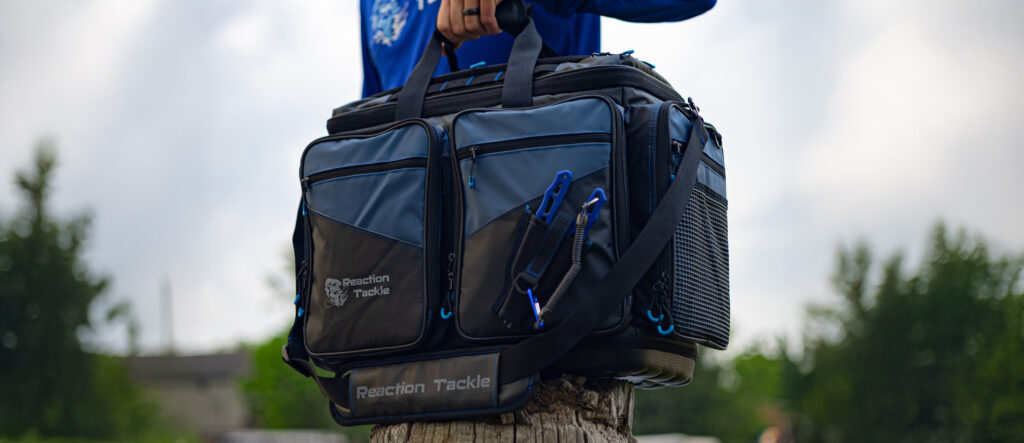
One of the biggest mistakes anglers make is carrying the same tackle setup year-round. Fish behavior changes with water temperature, weather, forage movement, and seasonal patterns—which means your tackle bag should change too.
Building a smart seasonal fishing tackle setup helps you stay prepared, organized, and ready for changing conditions throughout the year.
Instead of overpacking random gear, successful anglers adjust their tackle bag based on:
- Seasonal fish behavior
- Water clarity and temperature
- Fishing depth
- Cover and forage patterns
In this guide, you’ll learn exactly how to build a seasonal tackle bag setup for spring, summer, fall, and winter fishing.
Why Seasonal Tackle Organization Matters
Fish don’t behave the same in every season.
As conditions change, so do:
- Feeding patterns
- Aggression levels
- Depth preferences
- Lure selection
A properly planned seasonal tackle setup helps you:
- Eliminate unnecessary gear
- Adapt faster on the water
- Stay more organized
- Fish more efficiently
The goal isn’t carrying more—it’s carrying what actually works for the season.
Core Gear Every Seasonal Tackle Bag Needs
No matter the season, some essentials should always stay in your tackle bag.
Terminal Tackle
- Hooks
- Weights
- Jig heads
- Swivels
Tools
- Pliers
- Line cutters
- Hook remover
Fishing Line
- Backup spool
- Leader material
Storage
- Soft plastic storage
- Lure boxes organized by season or technique
Spring Seasonal Fishing Tackle Setup
Spring is one of the best fishing seasons because fish become more active as water warms.
Spring Fishing Patterns
- Shallow movement
- Pre-spawn and spawning behavior
- Increased feeding activity
Best Spring Lures to Carry
Moving Baits
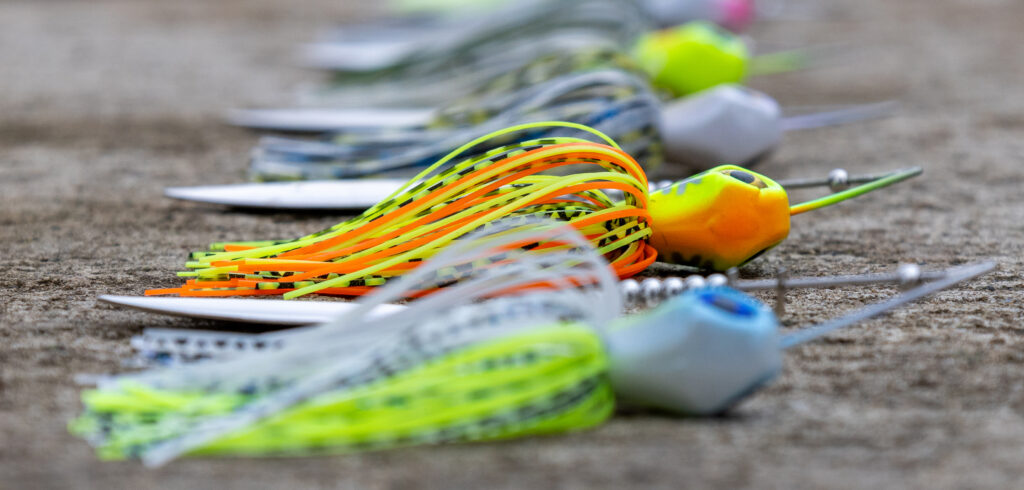
- Spinnerbaits
- Chatterbaits
- Squarebill crankbaits
Soft Plastics
- Texas rigs
- Creature baits
- Craw imitators
Finesse Options
- Wacky rigs
- Ned rigs
Spring Tackle Bag Tips
Focus on:
- Versatile shallow-water lures
- Natural colors in clear water
- Compact terminal tackle
Spring fishing often changes daily, so adaptability matters.
Summer Seasonal Fishing Tackle Setup
Summer fishing usually means:
- Warmer water
- More vegetation
- Fish moving deeper during midday
Best Summer Lures to Carry
Topwater Baits
- Frogs
- Poppers
- Walking baits
Heavy Cover Gear
- Jigs
- Punch rigs
- Texas rigs
Deep Water Options
- Deep crankbaits
- Football jigs
- Swimbaits
Summer Tackle Bag Tips
Carry:
- Heavier fishing line
- Extra weights
- Topwater options for low light periods
Summer setups should balance shallow and deep-water techniques.
Fall Seasonal Fishing Tackle Setup
Fall fishing is all about feeding activity.
Fish aggressively chase baitfish before winter, making reaction baits extremely effective.
Best Fall Lures to Carry
Search Baits
- Lipless crankbaits
- Spinnerbaits
- Swimbaits
Schooling Fish Baits
- Walking topwaters
- Underspins
Versatile Plastics
- Paddle tail swimbaits
- Worms
Fall Tackle Bag Tips
Focus on:
- Fast-moving lures
- Baitfish colors
- Covering water quickly
Mobility becomes important during fall fishing.
Winter Seasonal Fishing Tackle Setup
Winter fishing requires patience and finesse.
Fish become:
- Less aggressive
- Slower moving
- More depth-oriented
Best Winter Lures to Carry
Finesse Baits
- Ned rigs
- Drop shots
- Small jigs
Vertical Presentations
- Blade baits
- Jigging spoons
Compact Soft Plastics
- Small worms
- Subtle trailers
Winter Tackle Bag Tips
Carry:
- Lighter line
- Smaller lure profiles
- Minimal but precise tackle
Efficiency and subtlety matter most in cold water.
How to Organize a Seasonal Tackle Bag
Use Modular Tackle Boxes
Separate tackle by season:
- Spring box
- Summer box
- Fall box
- Winter box
This makes transitioning simple.
Rotate Gear Regularly
At the start of each season:
- Remove unused gear
- Add seasonal lures
- Replace damaged items
Keep Core Essentials Consistent
While lures change, your:
- Tools
- Terminal tackle
- Backup line
should stay organized year-round.
Best Fishing Line by Season
Spring
- Fluorocarbon for versatility
Summer
- Braid for vegetation and heavy cover
Fall
- Mono or fluorocarbon for moving baits
Winter
- Lighter fluorocarbon for finesse presentations
Common Seasonal Tackle Setup Mistakes
Avoid these common errors:
Carrying the Same Gear Year-Round
Seasonal adjustments matter.
Overpacking
Too much tackle slows you down.
Ignoring Seasonal Fish Behavior
Fish location and feeding habits change constantly.
Forgetting to Replace Old Gear
Damaged line and rusty hooks cost fish.
Sample Minimal Seasonal Tackle Setup
Spring
- Spinnerbait
- Squarebill
- Texas rig
Summer
- Frog
- Punch jig
- Deep crankbait
Fall
- Lipless crankbait
- Swimbait
- Spinnerbait
Winter
- Ned rig
- Drop shot
- Blade bait
Frequently Asked Questions (FAQ)
What is a seasonal fishing tackle setup?
A seasonal fishing tackle setup is a tackle bag organized specifically for seasonal fish behavior and conditions.
Why should I change my tackle seasonally?
Fish behavior changes throughout the year, so lure selection and gear should adapt accordingly.
What should I carry year-round?
Terminal tackle, tools, backup line, and basic organization essentials should always stay in your tackle bag.
What are the best summer fishing lures?
Topwater frogs, deep crankbaits, jigs, and Texas rigs are excellent summer choices.
What are the best winter fishing techniques?
Finesse presentations like drop shots, Ned rigs, and small jigs are highly effective in cold water.
How do I organize tackle by season?
Use separate utility boxes for each season and rotate tackle as conditions change.
Final Thoughts
A smart seasonal fishing tackle setup helps you stay efficient, adaptable, and prepared throughout the year. Instead of carrying unnecessary gear, organizing your tackle by season allows you to focus on what fish are actually responding to.
The best anglers don’t just change lures—they change their entire approach with the season.
And when your tackle bag matches the conditions, you’ll spend less time guessing and more time catching fish.

