One of the biggest claims in fishing is that fluorocarbon line is “invisible underwater.” But is that actually true—or is it just marketing hype?
Understanding fluorocarbon visibility is important because line visibility can absolutely impact bites, especially in clear water or pressured fisheries. But the idea that fish literally cannot see fluorocarbon isn’t entirely accurate.
So what’s the truth?
In this guide, we’ll break down the science behind fluorocarbon, why anglers use it, when visibility actually matters, and whether fluorocarbon truly gives you an advantage on the water.
Why Anglers Believe Fluorocarbon Is Invisible
Fluorocarbon became popular largely because of its reputation for being difficult for fish to see underwater.
Compared to other fishing lines, fluorocarbon has a refractive index closer to water, meaning light passes through it differently than it does through monofilament or braid.
In simple terms:
- It reflects less light underwater
- It blends in better than many other lines
- It appears less noticeable to fish
But “less visible” and “invisible” are not the same thing.
The Reality: Fluorocarbon Is NOT Completely Invisible
Despite the common claim, fluorocarbon can still be seen underwater.
Fish may notice:
- Thick line diameter
- Line movement
- Reflected light
- Unnatural presentation
Visibility also changes depending on:
- Water clarity
- Sunlight
- Line size
- Fish species
- Fishing pressure
The real advantage of fluorocarbon is that it is typically harder to detect than other line types, not impossible to see.
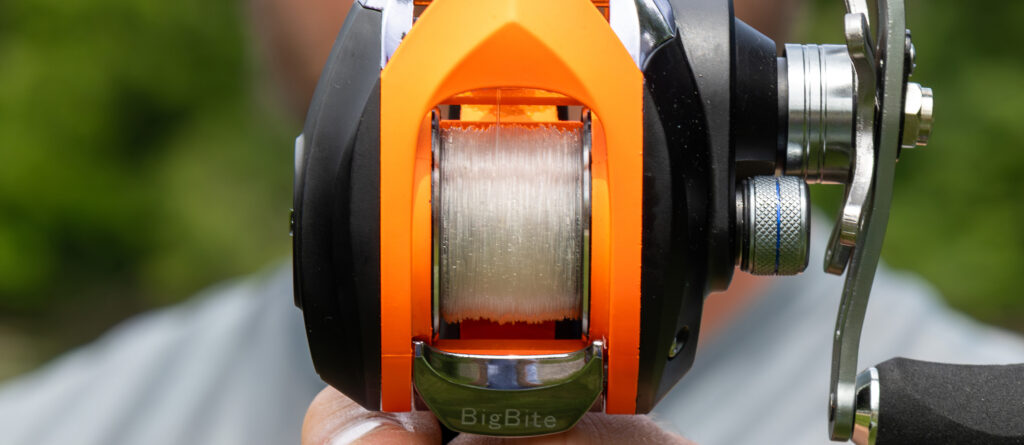
Why Fluorocarbon Visibility Still Matters
Even though fluorocarbon isn’t invisible, it can still make a major difference in certain situations.
1. Clear Water Fishing
In clear water, fish rely heavily on vision.
A lower-visibility line can:
- Reduce spooked fish
- Increase confidence bites
- Improve finesse presentations
This is where fluorocarbon often shines the most.
2. Pressured Fisheries
Fish in heavily pressured lakes see countless lures and presentations.
Subtle advantages matter more in these environments, and fluorocarbon’s reduced visibility can help trigger more bites.
3. Finesse Techniques
Techniques like:
- Drop shots
- Ned rigs
- Wacky rigs
often benefit from lower visibility because fish have more time to inspect the bait.
4. Natural Presentation
Fluorocarbon sinks and stays more connected to the bait, helping presentations appear more natural in many situations.
Fluorocarbon vs Other Fishing Lines (Visibility Comparison)
Fluorocarbon
- Lowest visibility overall
- Best in clear water
Monofilament
- Moderate visibility
- More visible in sunlight
Braided Line
- Most visible
- Often requires a leader in clear water
Does Fish Species Matter?
Absolutely.
Some fish are more line-sensitive than others.
Fish More Likely to Notice Line:
- Bass in clear lakes
- Trout
- Walleye in pressured water
Fish Less Likely to Care:
- Aggressive feeding fish
- Fish in muddy water
- Fish reacting to fast-moving lures
This is why fluorocarbon matters more in some fisheries than others.
When Fluorocarbon Visibility Makes the Biggest Difference
Fluorocarbon is most effective when:
- Water is clear
- Fish are pressured
- Presentations are slow or finesse-based
- Fish have time to inspect the lure
When Fluorocarbon Visibility Doesn’t Matter Much
In some situations, line visibility becomes far less important.
Examples:
- Dirty or muddy water
- Heavy vegetation
- Reaction bait fishing
- Night fishing
In these cases, factors like vibration, movement, and lure profile matter more than line visibility.
Common Myths About Fluorocarbon
“Fish Can’t See Fluorocarbon”
False. Fish can still see it under certain conditions.
“Fluorocarbon Always Outperforms Other Lines”
Not always. Mono and braid can be better depending on the technique.
“Using Fluorocarbon Automatically Gets More Bites”
Presentation, location, and lure choice still matter more.
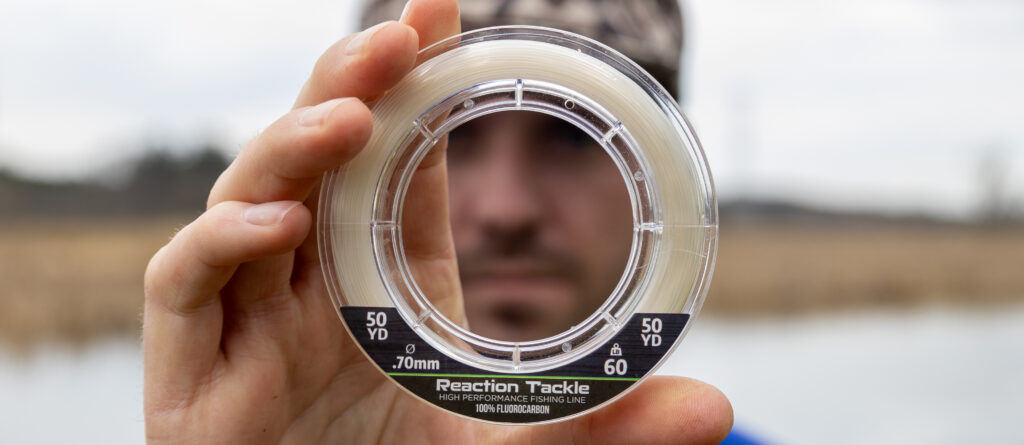
Why Anglers Still Use Fluorocarbon
Despite not being truly invisible, fluorocarbon still offers major advantages:
- Lower visibility
- High sensitivity
- Abrasion resistance
- Sinking properties
- Strong performance in clear water
Combined, these benefits make it one of the most popular fishing lines available.
Fluorocarbon Leader vs Straight Fluorocarbon
Many anglers use fluorocarbon as:
- A full spool setup
- A leader attached to braid
Using a fluorocarbon leader combines:
- Sensitivity from braid
- Reduced visibility from fluorocarbon
This is one of the most common modern fishing setups.
Tips for Reducing Line Visibility Even More
Use Lighter Pound Test
Thinner line is harder for fish to detect.
Match Conditions
Use fluorocarbon mainly in:
- Clear water
- High-pressure fisheries
Improve Presentation
Natural lure movement matters as much as line type.
Retie Frequently
Damaged fluorocarbon becomes more noticeable and weaker.
Frequently Asked Questions (FAQ)
Is fluorocarbon really invisible underwater?
No. Fluorocarbon is not completely invisible, but it is less visible than many other fishing lines.
Why is fluorocarbon harder for fish to see?
Its refractive index is closer to water, which reduces light reflection and visibility.
Does fluorocarbon help catch more fish?
In clear water and finesse situations, fluorocarbon can improve presentation and increase bites.
Is braid more visible than fluorocarbon?
Yes. Braided line is significantly more visible underwater.
Does fluorocarbon visibility matter in dirty water?
Usually not as much. In muddy or stained water, fish rely less on sight.
Should I use a fluorocarbon leader with braid?
Often yes, especially in clear water where fish may notice braided line.
Final Thoughts
The truth about fluorocarbon visibility is somewhere between myth and reality.
Fluorocarbon is not invisible—but it is often less detectable than other fishing lines, especially in clear water and pressured conditions. And in fishing, even small advantages can lead to more bites and more fish landed.
The key is understanding when visibility matters—and when it doesn’t.
Because the best line choice isn’t about hype.
It’s about matching your setup to the conditions on the water.
Click here to buy: Braided Fishing Line
Click here to buy: Monofilament Fishing Line
Click here to buy: Fluorocarbon Fishing Line
Click here to buy: Tackle Bags

