Every angler has stood in the tackle aisle, staring at walls of spools, wondering which line will keep the fish of a lifetime pinned to the hook. One of the most common debates on the water boils down to mono vs braid fishing line.
While both have their distinct advantages, the question of which line is more forgiving is crucial—especially if you are dialing in your setup, teaching a beginner, or targeting fish known for aggressive, boat-side surges.
Let’s break down the characteristics of monofilament and braided line to help you spool up with confidence.
What Makes a Fishing Line “Forgiving”?
In fishing terms, a “forgiving” line is one that compensates for angler error. Whether you set the hook a little too hard, have your reel’s drag locked down too tight, or fumble a knot, a forgiving line acts as a buffer to prevent a snapped line or a pulled hook.
The two biggest factors that dictate how forgiving a line will be are stretch and knot tying ease.
The Case for Monofilament (Mono)
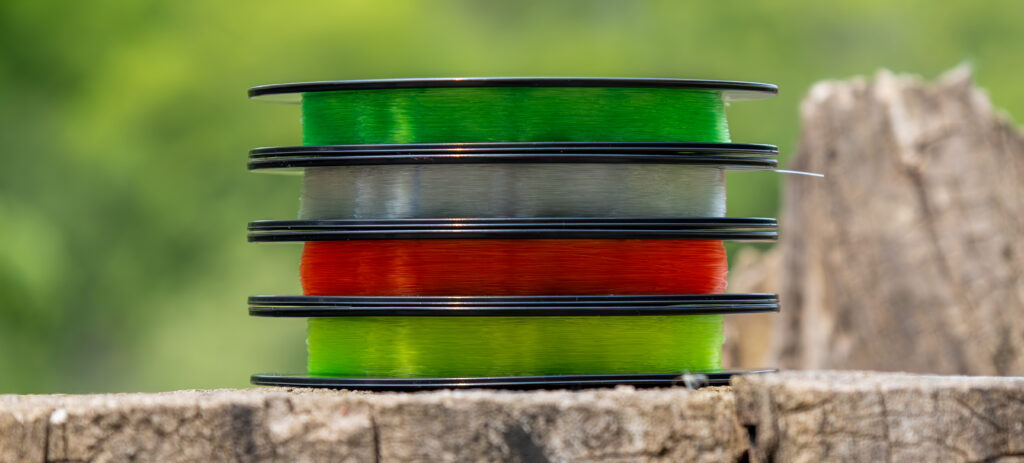
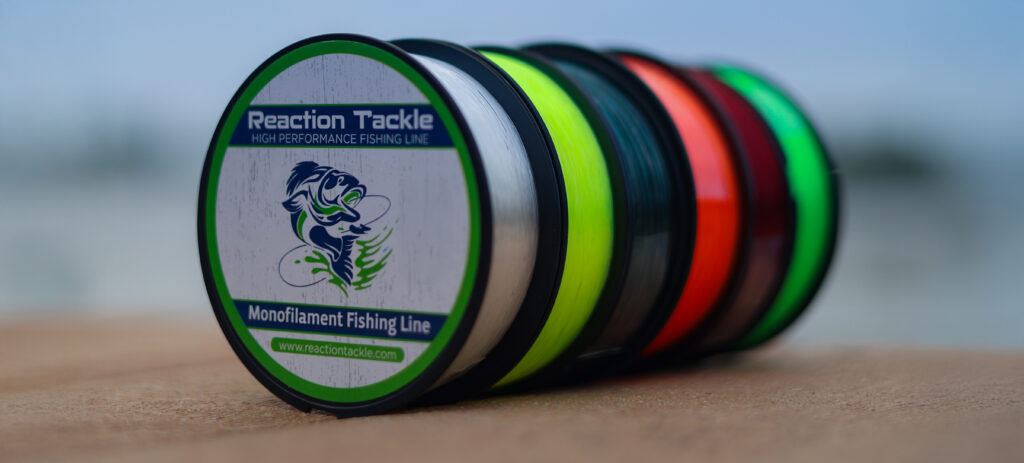
Monofilament is a single, continuous strand of nylon. For decades, it was the standard in fishing, and it remains incredibly popular today for one massive reason: it is highly forgiving.
- High Stretch: Mono can stretch up to 25% of its length under heavy pressure. This acts as a built-in shock absorber. If a massive bass makes a sudden dive under the boat, or a trout thrashes wildly on a short leash, the stretch in mono absorbs that violent energy so your line doesn’t snap.
- Easy to Tie: Monofilament has a smooth, supple texture that bites into itself beautifully. Standard knots like the Palomar, Clinch, or Trilene knot cinch down easily without slipping.
- Abrasion Resistance: While not impervious to rocks, mono slides over obstacles better than thin braid, giving you a wider margin of error when fishing around jagged cover.
The Case for Braided Line (Braid)
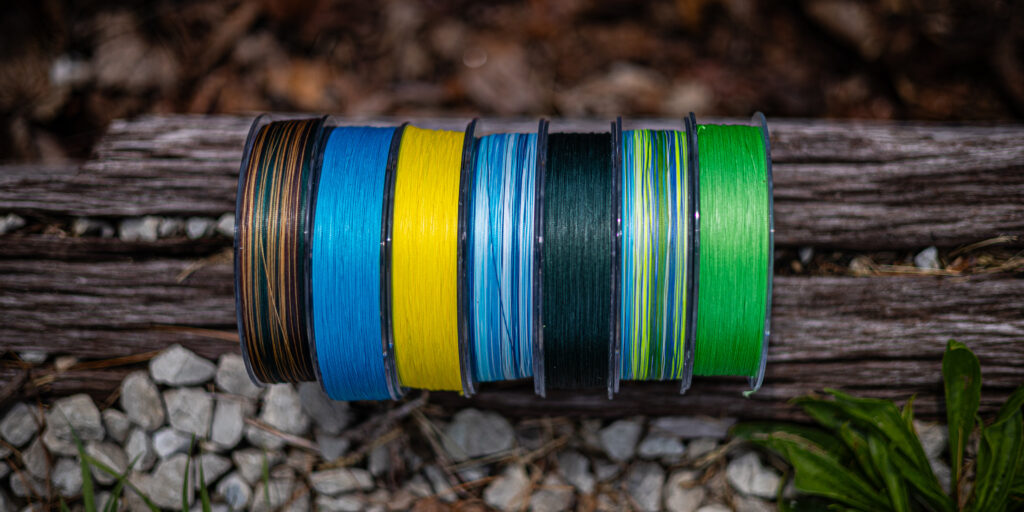
Braided line is made from multiple strands of synthetic fibers (like Spectra or Dyneema) woven together. It is incredibly strong, incredibly thin, and arguably the least forgiving line you can spool onto a reel.
- Zero Stretch: Braid does not stretch. This provides unparalleled sensitivity—you can feel a fish breathe on your lure in 40 feet of water. However, this zero-stretch factor is incredibly unforgiving. If your drag is too tight and a fish surges, the sudden force can rip the hooks right out of the fish’s mouth or snap your rod tip.
- Knot Slippage: Because braid has a slick, waxy coating and zero stretch, traditional knots can easily slip. You have to learn specific knots (like the Uni Knot or Palomar) and leave longer tag ends to prevent catastrophic failure.
- Wind Knots and Tangles: Braid is limp. If not managed properly on a spinning reel, it can create frustrating “wind knots” that are nearly impossible to untangle.
Direct Comparison: Mono vs Braid
When evaluating mono vs braid fishing line, seeing the differences side-by-side helps clarify which setup matches your fishing style.
| Feature | Monofilament (Mono) | Braided Line (Braid) |
| Stretch (Shock Absorption) | High (Very Forgiving) | Zero (Unforgiving) |
| Sensitivity | Low (Muted feel) | Extremely High |
| Knot Tying | Easy & Secure | Slippery, requires specific knots |
| Diameter to Strength | Thick | Incredibly Thin |
| Visibility in Water | Low (Often clear) | High (Highly visible) |
| Memory | High (Coils over time) | Zero (Very limp) |
The Verdict: Which is More Forgiving?
Without a doubt, monofilament is the more forgiving fishing line. Its ability to stretch and absorb sudden impacts saves anglers from pulled hooks, broken lines, and missed fish. It is the undisputed champion for beginners learning the ropes, and it remains a staple for experienced anglers throwing treble-hook lures (like crankbaits), where a soft, forgiving line keeps the fish pinned.
Braided line is a precision tool. It offers unmatched strength and sensitivity, but it demands that the angler perfectly manage their rod angles, drag settings, and knot-tying techniques.
Frequently Asked Questions (FAQ)
Is it better for a beginner to use mono or braid?
Monofilament is universally recommended for beginners. It is cheaper, easier to cast, much easier to tie knots with, and its natural stretch covers up common rookie mistakes like aggressive hooksets or improper drag settings.
Can I use mono and braid together?
Absolutely. One of the most popular setups in modern fishing is spooling a reel with a braided main line (for casting distance and sensitivity) and tying on a 3 to 6-foot monofilament or fluorocarbon leader. This gives you the best of both worlds: the sensitivity of braid with the clear, forgiving properties of mono near the lure.
Why do I keep losing fish on braided line?
If you are losing fish on braid, your setup is likely too stiff. Because braid has zero stretch, all the force of a fighting fish is transferred to the rod and the hook. If your drag is too tight or your rod is too heavy (stiff), the hook will tear a hole in the fish’s mouth and fall out. Loosen your drag slightly and use a rod with a softer action.
Does braided line damage fishing rods?
Modern fishing rods use high-quality ceramic or titanium oxide guide inserts that are built to withstand the friction of braided line. However, if you are using a very old or incredibly cheap rod with basic metal guides, the abrasive nature of braid can eventually cut grooves into the guides over time.
Click here to buy: Braided Fishing Line
Click here to buy: Monofilament Fishing Line
Click here to buy: Fluorocarbon Fishing Line
Click here to buy: Tackle Bags

