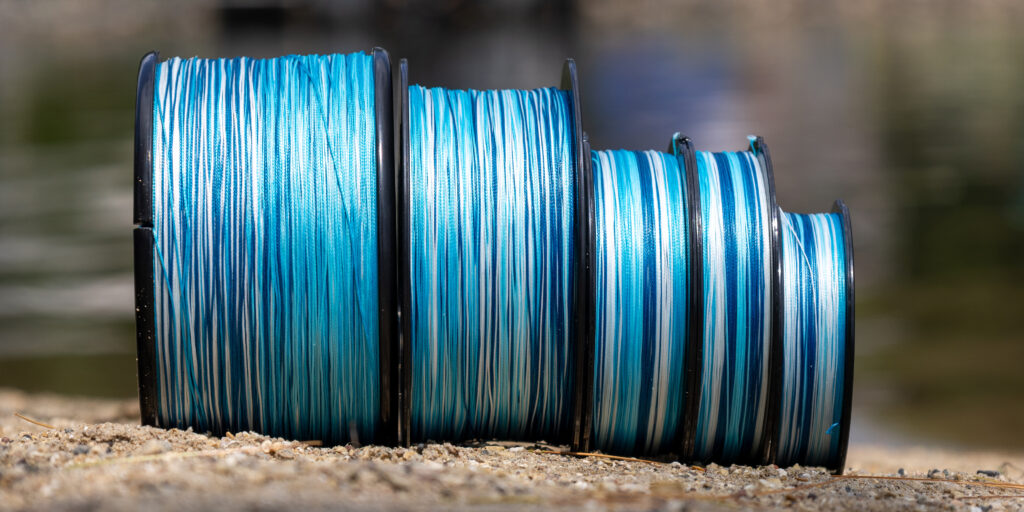
Braided fishing line offers incredible strength, sensitivity, and casting performance—but when used incorrectly, it can also lead to frustrating lost fish, unexpected failures, and costly braid break offs.
Many anglers assume braid is “strong enough” to fix every problem. The reality is that most failures happen not because braided line is weak—but because it’s being used the wrong way.
Understanding the most common braided line mistakes can help you fish more effectively, prevent break-offs, and dramatically improve your hook-up and landing ratio.
In this guide, we’ll break down the biggest mistakes anglers make with braided line—and exactly how to avoid them.
Why Braided Line Can Be So Effective
Braided line is popular because it offers:
- High strength for thin diameter
- Near-zero stretch
- Exceptional sensitivity
- Long casting distance
- Strong hook-setting power
But these same advantages can become disadvantages if your setup, knots, or technique aren’t dialed in.
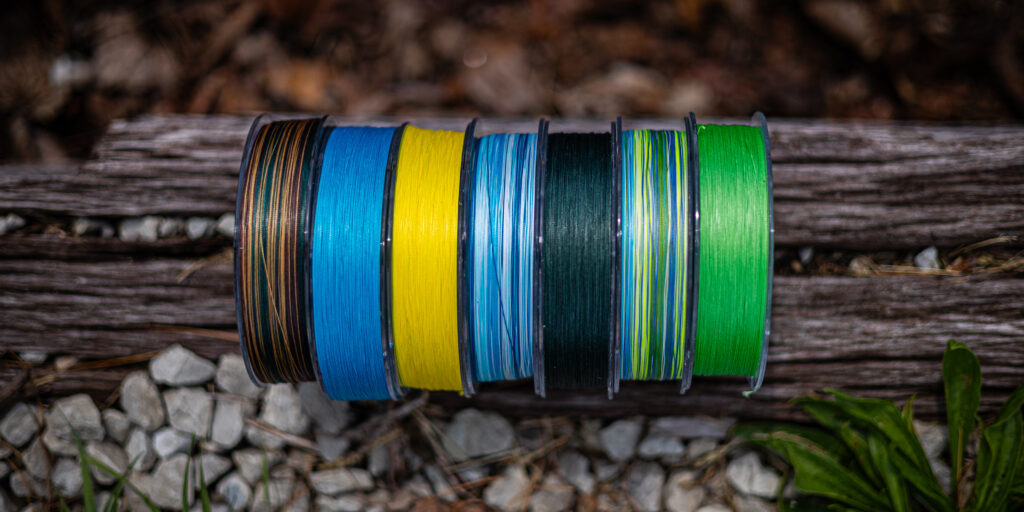
Common Braided Line Mistakes That Cost Fish
1. Using the Wrong Knot
One of the biggest causes of braid break offs is poor knot selection.
Braided line is slicker than monofilament, which means some knots can slip or fail if tied incorrectly.
Common Problems:
- Knot slipping
- Knot burn
- Weak connections
Better Options:
- Palomar Knot
- Double Uni Knot
- FG Knot (for leaders)
Pro Tip:
Always wet your knot before tightening and test it before casting.
2. Setting the Hook Too Hard
Because braid has almost no stretch, aggressive hooksets can:
- Rip hooks out
- Break leaders
- Bend hooks
- Snap weak points
Why It Happens:
All force transfers instantly.
Fix:
Use controlled hooksets and let the rod load properly.
3. Using Braid Without Adjusting Drag
A drag setting that works with mono may be too tight for braid.
Result:
- Sudden braid break offs
- Leader failures
- Pulled hooks
Fix:
Loosen drag slightly to create shock absorption.
4. Ignoring Leader Use
Braid is highly visible, especially in:
- Clear water
- Pressured fisheries
Fishing straight braid when conditions require stealth can cost bites.
Fix:
Use fluorocarbon or monofilament leaders when:
- Water clarity is high
- Fish are pressured
- Finesse presentations matter
5. Using the Wrong Pound Test
Too light:
- Digging into spool
- Unexpected break-offs
Too heavy:
- Reduced casting distance
- Poor lure performance
General Guide:
- 10–20 lb: finesse/light setups
- 20–40 lb: general use
- 50–65 lb: heavy cover
6. Spooling Braid Incorrectly
If braid isn’t loaded with enough tension, it can:
- Dig into itself
- Cause casting issues
- Lead to sudden failures under pressure
Fix:
Spool braid tightly and evenly.
Bonus Tip:
Use mono backing to prevent braid from slipping on the spool.
7. Fishing Braid in the Wrong Situations
Braid isn’t always the best choice.
Poor Uses:
- Topwater with treble hooks
- Ultra-clear water without leader
- Cold weather freezing conditions
Better Choices:
Sometimes mono or fluorocarbon performs better.
8. Not Checking for Frays
While braid is strong, it can still weaken from:
- Rocks
- Zebra mussels
- Dock posts
- Sharp structure
Fix:
Regularly inspect the first few feet of line and retie when damaged.
9. Overpowering Fish
Braid gives anglers confidence—but too much force can:
- Straighten hooks
- Tear fish free
- Break rods or leaders
Fix:
Fight fish with steady pressure, not brute force.
10. Choosing the Wrong Rod for Braid
Pairing braid with an overly stiff rod can reduce forgiveness.
Problem:
No stretch + stiff rod = lost fish
Fix:
Choose rod action based on technique:
- Moderate-fast for moving baits
- Fast/heavy for frogs and jigs
Biggest Causes of Braid Break Offs
Most braid failures come from:
- Bad knots
- Leader failure
- Abrasion
- Incorrect drag
- Spool digging
Braided line itself rarely “randomly breaks” unless something in the system fails first.
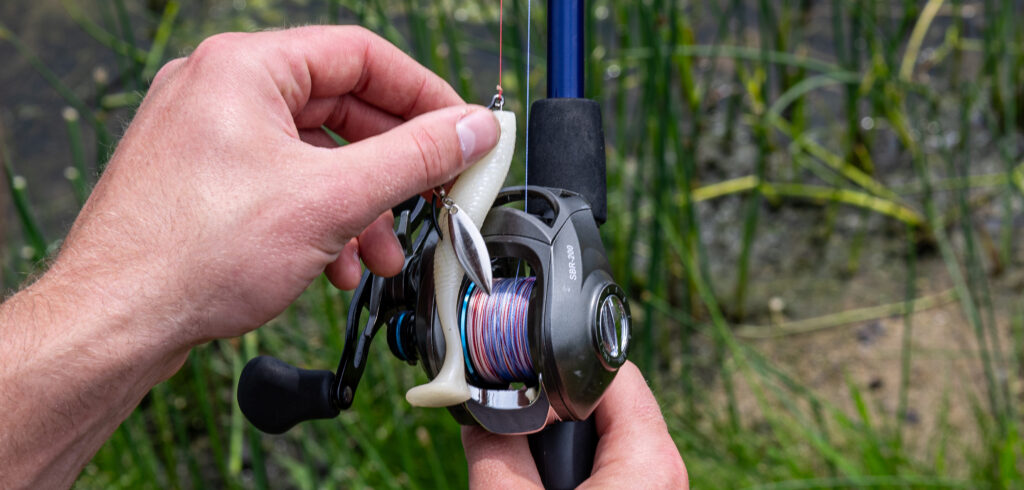
How to Prevent Braided Line Mistakes
Use Proper Knots
Learn braid-specific knots.
Match Braid to Technique
Choose line size and rod setup carefully.
Check Your Line Often
Inspect for abrasion and weak spots.
Use Leaders Strategically
Don’t ignore visibility.
Manage Drag Properly
Let your reel help absorb shock.
Braided Line vs Angler Error
In many cases, braid gets blamed for failures that are actually caused by:
- Setup mistakes
- Poor knot tying
- Technique issues
When used correctly, braid is one of the most reliable line types available.
Click here to buy: Braided Fishing Line
Click here to buy: Monofilament Fishing Line
Click here to buy: Fluorocarbon Fishing Line
Click here to buy: Tackle Bags

