Every angler has been there—digging through a messy tackle bag while the fish are biting. Disorganization doesn’t just cause frustration—it costs time, missed opportunities, and sometimes even fish.
Smart fishing tackle organization isn’t about carrying less gear—it’s about knowing exactly where everything is and accessing it quickly.
In this guide, you’ll learn how to organize your tackle bag for maximum efficiency, so you can spend less time searching and more time fishing.
Why Tackle Bag Organization Matters
A well-organized tackle bag helps you:
- Switch lures quickly
- Adapt to changing conditions
- Avoid losing or damaging gear
- Stay focused during active bites
On the water, seconds matter—and organization gives you an edge.
Core Principles of Fishing Tackle Organization
Before diving into specific tips, understand these key principles:
1. Accessibility Over Quantity
The best setup isn’t the one with the most gear—it’s the one you can use efficiently.
2. Group Similar Items Together
Keeping gear categorized reduces wasted time searching.
3. Prioritize Frequently Used Items
Your go-to gear should always be within reach.
4. Keep It Lightweight
Overpacking slows you down and creates clutter.
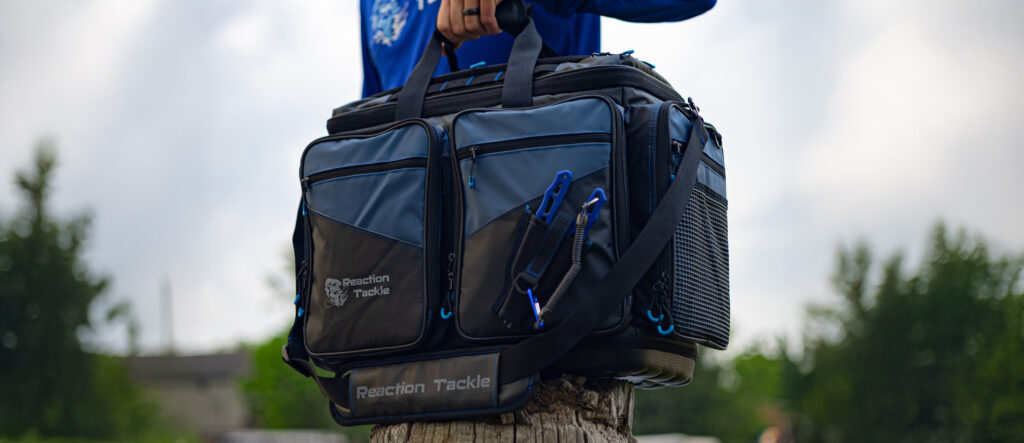
Best Tackle Bag Organization Tips
1. Use Dedicated Tackle Boxes
Separate your gear into clear categories using small utility boxes.
Suggested Setup:
- Hard baits (crankbaits, topwater)
- Terminal tackle (hooks, weights)
- Jigs and trailers
This prevents everything from getting mixed together.
2. Organize by Technique, Not Just Lure Type
Instead of grouping only by lure type, organize by how you fish.
Example:
- Reaction baits (spinnerbaits, crankbaits)
- Finesse setups (worms, drop shot gear)
- Topwater gear
This allows you to switch strategies quickly.
3. Keep Terminal Tackle in One Place
Terminal tackle is small but critical.
Must-have items:
- Hooks
- Weights
- Swivels
- Jig heads
Use a compact box with labeled compartments to avoid wasting time.
4. Store Soft Plastics Properly
Soft plastics can easily become a mess if not stored correctly.
Tips:
- Keep them in original packaging
- Group by type (worms, creatures, swimbaits)
- Use resealable bags or binders
This prevents melting and saves space.
5. Keep Tools Easily Accessible
Tools are often needed quickly.
Store in outer pockets:
- Pliers
- Line cutters
- Hook remover
Quick access is critical when handling fish or retying.
6. Use a “Quick Access” Zone
Create a section in your tackle bag for:
- Your confidence lures
- Frequently used setups
- Current go-to baits
This eliminates constant digging during active fishing periods.
7. Carry Only What You Need
One of the biggest mistakes is overpacking.
Instead:
- Choose versatile lures
- Pack based on conditions
- Limit duplicates
A lighter bag = faster movement and better efficiency.
8. Label or Color-Code Boxes
This simple step can save time instantly.
Benefits:
- Identify gear quickly
- Reduce confusion
- Improve consistency
Even a small label system makes a big difference.
9. Maintain Your Organization After Each Trip
A perfectly organized bag won’t stay that way unless you maintain it.
After every trip:
- Return items to their proper place
- Remove damaged gear
- Refill terminal tackle
Consistency keeps your system effective.
10. Build a Modular Setup
Instead of one overloaded bag, consider a modular system:
- Swap boxes depending on the trip
- Customize for conditions
- Keep your core setup consistent
This keeps your tackle relevant and efficient.
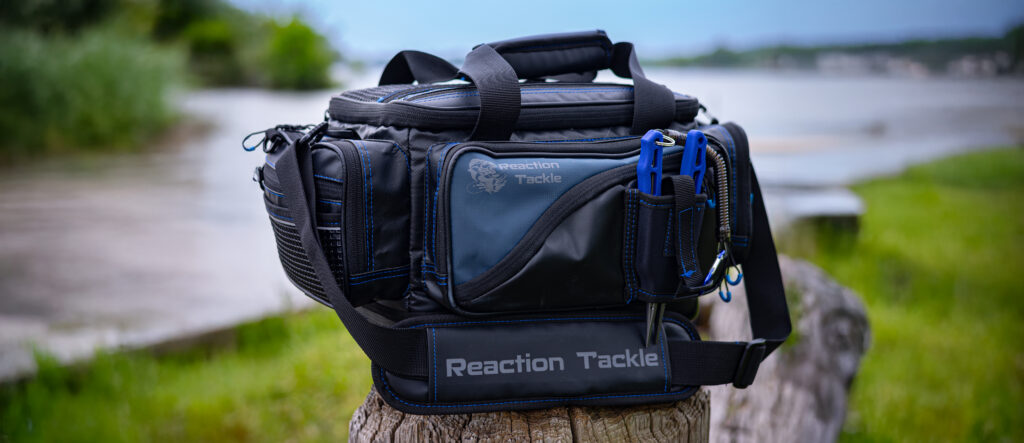
Sample Organized Tackle Bag Layout
Here’s a simple, effective structure:
Main Compartment
- 2–3 lure boxes (grouped by technique)
Secondary Pocket
- Terminal tackle box
Soft Plastic Storage
- Organized by type in original packaging
Outer Pockets
- Tools (pliers, cutters)
- Leader material
- Small accessories
Quick Access Section
- Current go-to lures
Common Tackle Organization Mistakes
Avoid these common issues:
Overpacking
Too much gear leads to clutter and slower decisions.
Mixing Everything Together
Disorganized gear wastes time and causes frustration.
Ignoring Terminal Tackle
Running out of hooks or weights can end a trip early.
Poor Tool Placement
If tools aren’t accessible, you lose time when it matters most.
Not Updating Your Bag
Carrying outdated or unnecessary gear reduces efficiency.
Advanced Tackle Organization Tips
Rotate Gear Seasonally
Adjust your bag based on:
- Water temperature
- Fish behavior
- Seasonal patterns
Track What You Actually Use
After a few trips, remove items you never touch.
Keep Backup Essentials
Always carry:
- Extra line
- Extra hooks
- Replacement weights
Streamline for Mobility
If you’re bank fishing:
- Use fewer boxes
- Focus on versatility
- Keep weight minimal
Frequently Asked Questions (FAQ)
What is the best way to organize a fishing tackle bag?
The best method is grouping gear by technique, keeping essential items accessible, and using labeled compartments.
How many tackle boxes should I carry?
Typically 2–4 small boxes are enough for most trips, depending on your fishing style.
How do I organize soft plastics?
Keep them in original packaging and group them by type to prevent damage and confusion.
What should go in the quick access section?
Your most-used lures and tools should always be easy to reach.
How do I avoid overpacking?
Focus on versatile lures and only bring what matches the conditions you expect.
Should I reorganize my tackle bag often?
Yes. Maintaining organization after each trip keeps your system efficient.
Final Thoughts
Good fishing tackle organization isn’t just about neatness—it’s about performance. The more organized your tackle bag is, the faster you can adapt, the more efficiently you can fish, and the more opportunities you’ll capitalize on.
The goal is simple:
less time searching, more time catching.
Click here to buy: Braided Fishing Line
Click here to buy: Monofilament Fishing Line
Click here to buy: Fluorocarbon Fishing Line
Click here to buy: Tackle Bags

